December 2025

Understanding Mold Remediation Deltona FL and Its Importance for Your Home

Redwood City Mold Inspection and Testing | Mold Inspection Redwood City

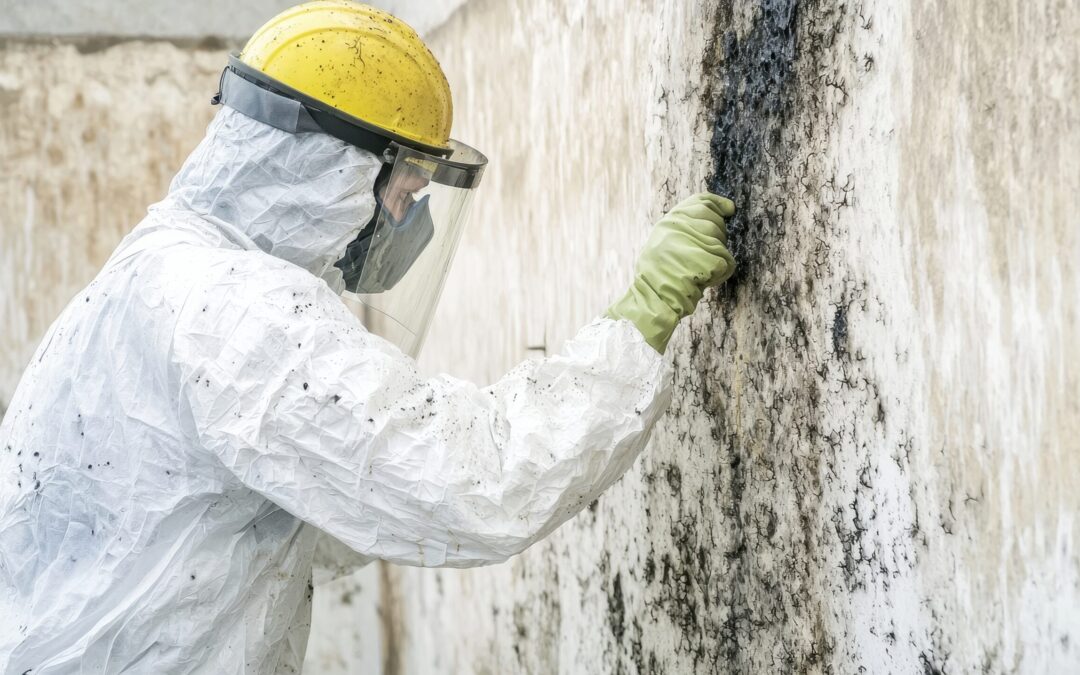
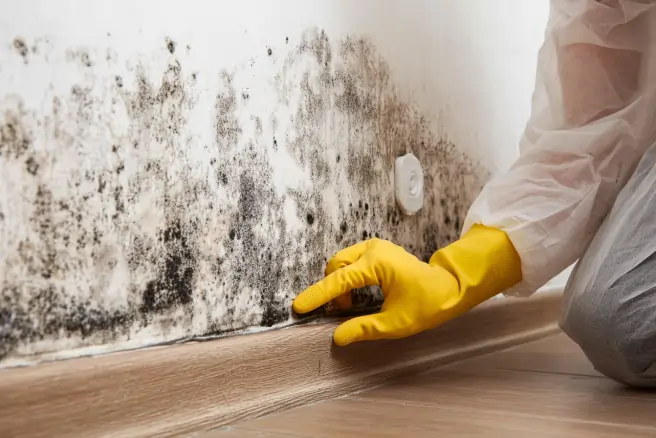
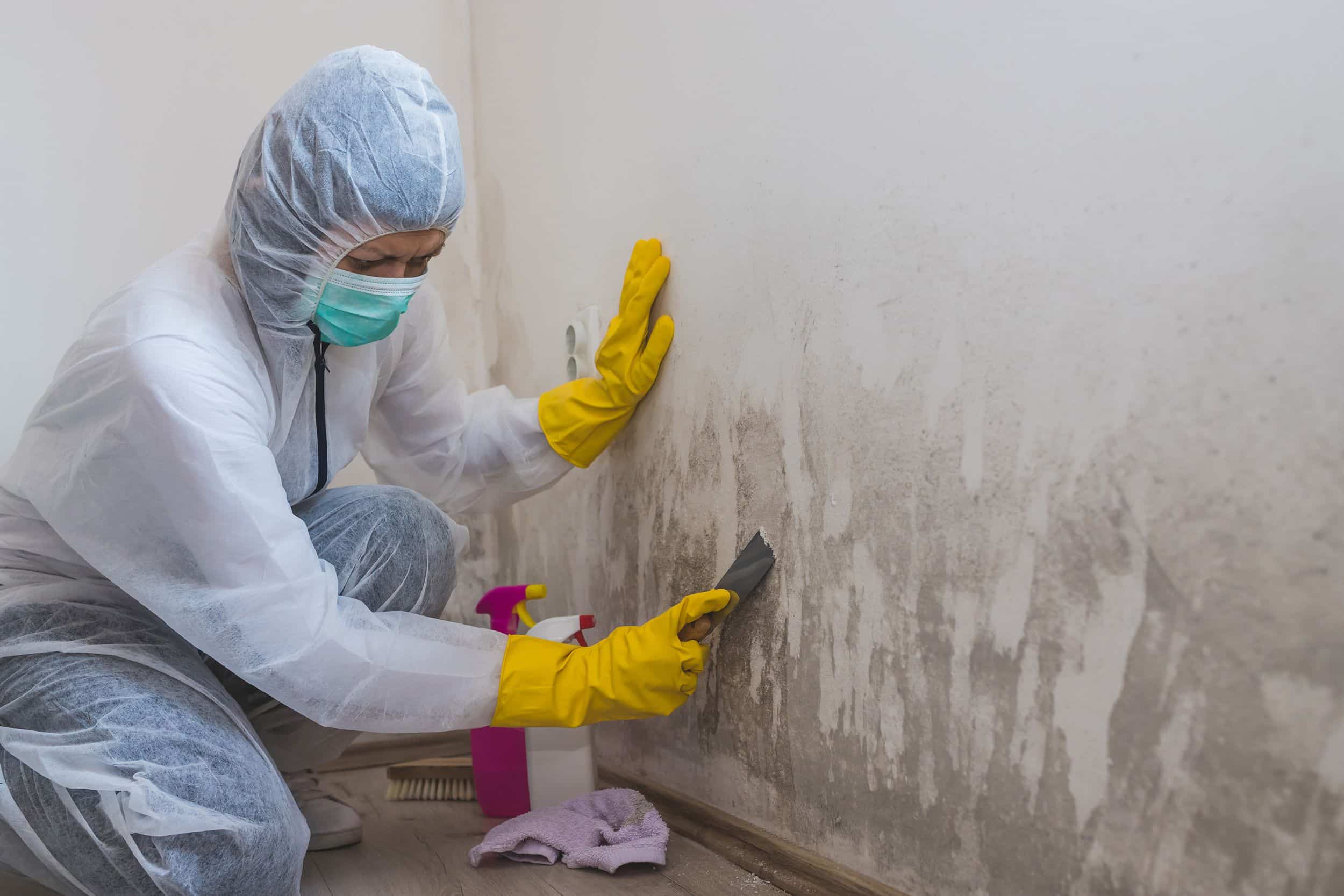
Mold inspection is a critical process for identifying the presence of mold in your home and assessing the extent of any infestation. Mold, a type of fungus, thrives in moist environments and can grow on various surfaces, such as walls, ceilings, floors, and even furniture. While mold may sometimes be visible, it can also lurk behind walls or in less accessible areas, making professional inspection essential.

Why is Mold Inspection Important?

  • Health Concerns: Some molds release allergens and toxins that can cause respiratory problems, skin irritation, or allergic reactions. Prolonged exposure to certain types of mold may lead to serious health conditions like asthma or chronic lung issues.
  • Prevent Structural Damage: Mold feeds on organic materials like wood and drywall. Over time, unchecked growth can compromise the structural integrity of your home.
  • Early Detection Saves Money: Identifying mold issues early allows homeowners to address them before they become widespread problems that demand costly remediation.
  • Maintain Property Value: Homes with untreated mold problems often suffer from reduced market value and may face challenges during sales inspections.

Common Areas Where Mold Develops

Area Reason for Susceptibility
Bathrooms High humidity levels from showers and baths
Kitchens Frequent water usage around sinks and appliances
Basements Poor ventilation and potential water leaks
Attics Roof leaks or improper ventilation
Windowsills Condensation build-up

How Does a Mold Inspection Help?

  • Moisture Meters: Measure the amount of moisture in walls or flooring.
  • Infrared Cameras: Detect temperature differences associated with hidden water damage.
  • Air Quality Testing Kits: Check for elevated levels of airborne mold spores.

By identifying problem areas accurately, inspectors provide actionable insights into how to address both existing mold growth and its underlying causes.

When Should You Schedule a Mold Inspection?

  • Visible spots of discoloration on walls or ceilings
  • Musty odors that persist over time
  • Water stains or evidence of past leaks
  • Unexplained allergic symptoms among household members

Proactive inspections are also recommended if you live in areas prone to high humidity or have recently experienced flooding in your home.

Incorporating regular mold inspections into your home maintenance routine helps safeguard both health and property while minimizing long-term risks associated with unchecked fungal growth.

Understanding the Process of Mold Removal Deltona FL Experts Use

A professional mold inspection is a critical process for identifying and addressing potential mold issues in your home or building. Understanding the steps involved can help you prepare for the process and ensure that the inspection is thorough and effective. Here’s a detailed breakdown of what typically happens during a professional mold inspection.

Comprehensive Initial Consultation for Black Mold in Deltona FL

  • History of water damage: Past leaks, flooding, or plumbing issues that may have caused excess moisture.
  • Signs of mold growth: Visible mold spots, musty odors, or areas prone to dampness.
  • Health concerns: Any respiratory symptoms or allergic reactions reported by occupants.

This stage helps the inspector tailor the inspection to your specific concerns.

Comprehensive Mold Inspection Deltona FL Services

  • Visible mold growth: Walls, ceilings, floors, and other surfaces where mold might be present.
  • Moisture-prone areas: Bathrooms, kitchens, basements, attics, crawl spaces, HVAC systems, and near windows or doors.
  • Potential water sources: Leaking pipes, roof damage, condensation buildup around vents or appliances.

The visual inspection helps identify obvious signs of mold but also detects conditions conducive to its growth.

Professional Mold Testing Deltona FL: Using Specialized Tools

Tool Purpose
Moisture meters Measure moisture levels in walls, floors, and ceilings.
Infrared cameras Identify temperature variations that indicate moisture accumulation.
Hygrometers Assess humidity levels in indoor air.
Borescopes Examine hard-to-reach spaces inside walls or ducts without demolition.

These tools are essential for detecting hidden mold colonies that are not visible during the initial walkthrough.

Comprehensive Air and Surface Sampling by a Trusted Mold Removal Company Deltona FL

  1. Air sampling – Determines whether there are elevated levels of airborne spores inside compared to outside.
  2. Surface sampling – Swabs taken from affected areas help confirm the type(s) of mold present.

Samples are sent to accredited laboratories for analysis. Results typically include details about spore counts and species detected.

Reporting Findings

  • Areas affected by mold
  • Severity of contamination
  • Underlying causes (e.g., water intrusion)
  • Recommendations for remediation
  • Preventative measures to avoid recurrence

This document serves as a roadmap for addressing existing issues effectively.

Post-Inspection Recommendations

Depending on their findings:
1. The inspector may recommend mitigation steps like repairing leaks or improving ventilation before remediation begins. 2. If significant contamination exists beyond surface cleaning capabilities (e.g., black molds), they’ll advise engaging certified remediation specialists who follow industry standards such as IICRC protocols.

Understanding these stages ensures property owners can collaborate efficiently while resolving any impending structural/health risks tied directly toward long-term sustainability after corrective action completion

When Should You Consider Getting a Mold Inspection and Testing for Your Home

Mold can pose serious health risks, damage your property, and spread rapidly. Knowing when to consider a mold inspection and testing for your home is crucial in maintaining a healthy and safe living environment. Below are specific situations when you should prioritize scheduling a professional mold inspection.

1. Unexplained Health Symptoms

  • Persistent coughing or sneezing
  • Watery or itchy eyes
  • Nasal congestion or runny nose
  • Skin irritation or rashes
  • Headaches

If medical evaluations cannot pinpoint the cause of these symptoms, it might be time to assess your home for potential mold growth.

2. Visible Signs of Mold Growth

  • Black, green, or white spots on walls, ceilings, floors, or furniture
  • Peeling paint or wallpaper caused by moisture buildup
  • Discoloration on surfaces near water sources like sinks or showers

Visible signs often indicate that there is more hidden growth beneath surfaces that only testing can uncover.

3. Persistent Musty Odors

A persistent musty smell in your home that won’t go away despite cleaning efforts may point to hidden mold growth. This odor is particularly common in damp areas like basements, crawl spaces, and attics.

4. Post-Water Damage Events

  • Flooding
  • Leaking roofs
  • Burst pipes

It’s recommended to conduct an inspection even if the area has been dried out because mold can develop within 24–48 hours after moisture exposure.

5. Buying or Selling a Home

Scenario Reason for Inspection
Buying a Home To ensure there are no hidden mold issues before finalizing the purchase
Selling a Home To provide potential buyers with confidence about the property’s condition

Investing in an inspection during these scenarios can prevent legal disputes and unexpected expenses later.

6. Unexplained Increase in Allergy Triggers Indoors

If family members begin experiencing increased allergy triggers indoors but feel better outside the home, it could be due to indoor air quality being compromised by unseen mold spores.

7. Frequent Moisture Problems in Your Home

Homes prone to consistent moisture problems—such as condensation on windows, humidity above 60%, poorly ventilated bathrooms/kitchens—are at higher risk for mold infestations over time.

By addressing these scenarios promptly and hiring certified professionals to inspect and test for mold presence accurately provides peace of mind while ensuring healthy indoor environments are maintained long-term.
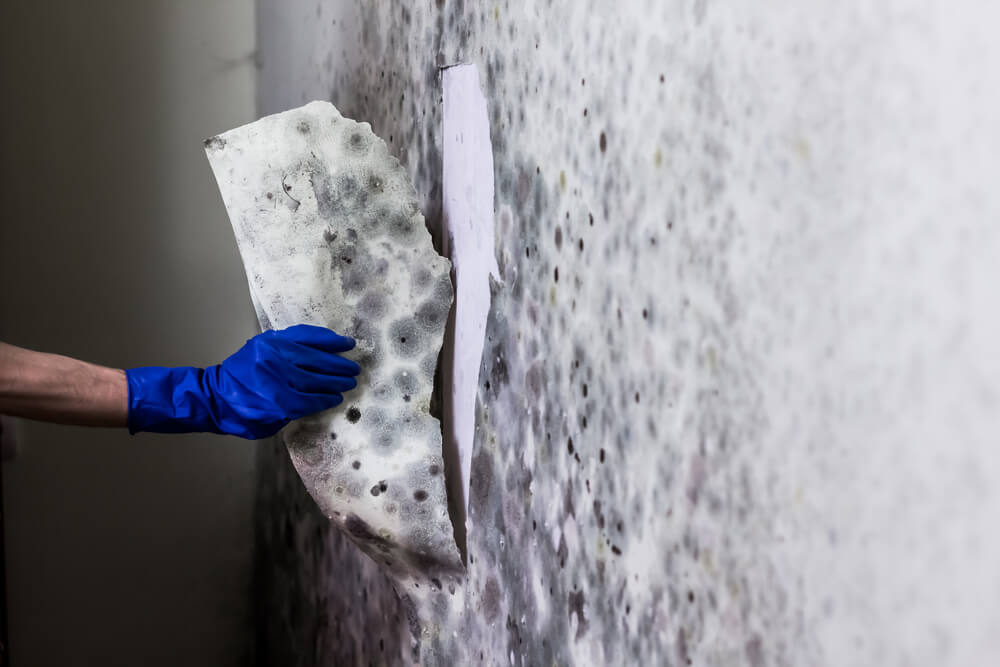
Spot a Mold Inspection Scam and Avoid a Costly Mistake

How to Choose the Right Mold Inspector for Comprehensive Removal Services

Choosing a qualified and reliable mold inspector is a critical step in ensuring the safety and cleanliness of your home. With mold posing significant structural and health risks, it’s vital to select a professional who can provide thorough inspection and remediation guidance. Below, we’ll discuss key factors to consider when selecting the right mold inspector.

1. Verify Credentials and Certifications

The first step in choosing a mold inspector is verifying their qualifications. Look for professionals with certifications from reputable organizations like:
– National Association of Mold Remediators and Inspectors (NAMRI)
– American Council for Accredited Certification (ACAC)
– International Association of Certified Indoor Air Consultants (IAC2)

These certifications indicate that the inspector has undergone adequate training in identifying mold issues, conducting tests, and recommending appropriate solutions.

2. Assess Industry Experience

Experience matters when it comes to mold inspections. An experienced inspector will be familiar with different types of molds, how they spread, and the most effective ways to detect them. When evaluating potential inspectors:
– Ask how long they’ve been performing mold inspections.
– Inquire about their experience dealing with properties similar to yours (e.g., residential homes, commercial buildings).

An experienced professional will be better equipped to identify hidden mold problems that may go unnoticed by less seasoned inspectors.

3. Request References or Reviews

Customer feedback can provide valuable insight into an inspector’s professionalism and reliability. To evaluate their reputation:
– Request references from previous clients.
– Search online reviews on platforms like Google or Yelp. – Check for complaints or ratings through organizations like the Better Business Bureau (BBB).

Positive reviews often indicate trustworthiness and high-quality services.

4. Understand Their Inspection Process

A qualified mold inspector should follow a structured process during an inspection. Ask them about their methodology, which typically involves:
1. A visual inspection for visible signs of mold growth or water damage. 2. The use of specialized tools such as moisture meters, thermal imaging cameras, or borescopes to detect hidden issues. 3. Air quality sampling or surface testing if necessary. 4. Providing a detailed report outlining findings and recommendations for remediation.

Their transparency about processes can help you gauge their expertise.

5. Confirm Independence from Remediation Services

To avoid potential conflicts of interest, choose an independent inspector who does not offer remediation services themselves or is not financially tied to any remediation companies they recommend. This ensures that their primary goal is accurate detection rather than selling additional services.

6. Compare Costs Without Compromising Quality

While cost should not be your sole deciding factor, it’s essential to ensure you’re receiving value for money:
| Service Component | Average Price Range ($) | Notes | |——————————-|——————————–|—————————————–| | Visual Inspection | $200–$600 | May vary based on property size | | Sampling & Lab Testing | $75–$150 per sample | Depends on number/type of samples | | Detailed Report | Often included in base price | Ensure this feature is provided |

Avoid undercut offers that seem too low—they may reflect inadequate expertise or substandard practices.

7. Communication Skills Matter

Lastly, ensure that your chosen inspector communicates clearly and professionally throughout the process: – Can they explain test results in plain language? – Do they provide actionable advice without technical jargon?

Good communication fosters trust and ensures you fully understand the scope of any identified issues.

By following these steps, you can find a qualified professional who will help protect your home from dangerous mold infestations while providing peace of mind through comprehensive services tailored to your needs.

Should You Get a Mold Inspection When Buying or Selling a House

Mold inspections are a critical consideration during real estate transactions. Whether you are buying or selling a home, identifying the presence of mold can significantly impact the health of the occupants, the value of the property, and even the transaction’s progress. Below, we’ll explore why mold inspections matter in real estate and what you should know before making your decision.

Why Mold Inspections Are Important for Buyers

  • Health Concerns: Mold exposure has been linked to respiratory issues, allergies, and other adverse health effects. Identifying mold early protects your family’s well-being.
  • Uncover Hidden Problems: Visible signs of water damage or musty odors might indicate underlying mold issues that require attention.
  • Negotiating Leverage: If mold is detected during the inspection process, buyers may have grounds to request repairs from sellers or negotiate a lower purchase price to account for remediation costs.

Why Sellers Should Take Mold Inspections Seriously

  • Boosting Marketability: Homes seen as “move-in ready” are more attractive to buyers; addressing mold beforehand helps achieve this status.
  • Reducing Legal Risks: Failing to disclose known issues could result in post-sale legal disputes from new owners who discover hidden mold problems.
  • Avoiding Transaction Delays: Resolving mold concerns early prevents complications that could delay closing timelines.

Key Indicators That You May Need a Mold Inspection During Real Estate Transactions

Indicator Reason
Visible Water Damage Stains on ceilings/walls point to potential moisture intrusion leading to mold growth.
Musty Odors Persistent earthy smells may indicate hidden colonies inside walls or under floors.
Past Flooding Events Properties previously impacted by floods often develop long-term moisture problems conducive to mold formation.
Older Homes Without Updates Aging structures with outdated plumbing systems might be more prone to leaks and humidity imbalances.

How Mold Inspections Fit Into Real Estate Agreements

In many real estate contracts, inspections are included as contingencies—conditions that must be met before closing. A thorough inspection for issues like structural damage typically includes checking for water intrusion points that foster mold growth. However, you can also request a specific mold-focused inspection if concerns arise based on property history or visual signs.

Tips for Managing Mold Inspections as Part of Your Transaction Process

  1. Choose Certified Professionals: Ensure your chosen inspector has relevant certifications such as those from the National Association of Mold Remediators and Inspectors (NAMRI).
  2. Request Documentation: Obtain detailed reports outlining detected problem areas along with photos and recommendations for remediation.
  3. Budget Accordingly: If you’re selling, allocate funds upfront for necessary repairs; if buying, factor in potential remediation costs during negotiations.
  4. Understand Disclosure Laws: Familiarize yourself with local regulations requiring disclosure of known environmental hazards like mold.

By integrating these steps into your transaction strategy—whether you’re buying your dream home or preparing one for sale—you can help ensure transparency while avoiding unexpected surprises down the line.

Addressing potential mold issues upfront safeguards financial interests while protecting future occupants’ safety during any real estate endeavor involving homes susceptible due environmental exposure risks over time

What Factors Affect the Cost of a Complete Mold Inspection

1. Size and Type of Property

The size and layout of your property play a significant role in determining inspection costs. Larger properties require more time for thorough examination, increasing labor hours and costs.

  • Small homes or apartments: Typically less expensive due to reduced inspection areas.
  • Multi-story houses or commercial buildings: May incur higher charges because they require more extensive assessments.

Additionally, older homes or properties with complex designs may require specialized attention, which can also increase costs.

2. Extent of Mold Growth

The severity and location of mold growth significantly impact inspection fees. Inspectors may charge more if:
– The mold spread is widespread throughout multiple rooms or hidden areas like attics, crawl spaces, or HVAC systems. – Accessing certain areas requires additional tools or effort (e.g., removing drywall).

If only minimal mold contamination exists, the inspection will likely be quicker and less expensive compared to cases involving extensive infestations.

3. Testing Methods Used

Different testing techniques influence overall costs:
| Test Type | Description | Typical Cost Range* |
|———————–|————————————————–|————————-|
| Air Sampling | Detects airborne mold spores | $75 – $150 per sample |
| Surface Sampling | Tests visible surfaces for contamination | $50 – $100 per sample |
| Bulk Sampling | Involves collecting materials from affected areas| $100 – $200 per sample |

*Costs vary depending on location and provider.

More advanced methods, such as thermal imaging or moisture mapping, may also contribute to higher fees but provide greater accuracy in identifying hidden moisture issues.

4. Geographic Location

Where you live can significantly influence pricing due to regional market rates:
– Urban areas with higher demand for services often have increased prices. – In contrast, rural locations may see lower prices but limited access to experienced professionals.

Local regulations surrounding inspections or certifications can further impact overall expenses.

5. Inspector’s Expertise and Certification

Experienced inspectors with reputable certifications (such as IICRC or NORMI) typically charge more for their services but offer a higher level of skill and credibility. Hiring certified professionals ensures accurate results while potentially reducing long-term remediation expenses by addressing the root causes effectively.

Tips for Managing Costs During Mold Inspections

  1. Get Multiple Quotes: Contact several licensed inspectors in your area to compare prices and services offered.
  2. Ask About Packages: Some companies bundle testing with remediation at discounted rates.
  3. Prioritize Areas: Focus on high-risk zones like basements, bathrooms, or kitchens if budget limitations exist.
  4. DIY Preliminary Checks: Use affordable at-home mold test kits before hiring professionals to confirm suspicions about contamination.

Evaluating these factors thoroughly allows homeowners to make informed decisions without compromising safety standards during mold inspections.

Comprehensive Guide to Professional Mold Removal Deltona FL: Effective Mold Remediation Explained

What Is A Wind Mitigation Inspection In Home Insurance | Pro-SpectDifference Between Mold Remediation and Mold Inspection | Pro-Spect

Mold remediation is a critical service that ensures homes and commercial spaces remain safe, healthy, and free from harmful mold infestations. Professional mold remediation involves a structured and thorough process that addresses both visible mold as well as hidden growth. Using advanced tools and industry-standard practices, professionals ensure long-term solutions to mold problems. Here’s how experts handle this task effectively.

Step 1: Inspection and Assessment by a Mold Removal Company Deltona FL

The first step in mold remediation is identifying the scope of the problem.
– Visible signs of moldsuch as discoloration on walls, ceilings, or floors.
– Musty odorsindicating hidden mold growth in less obvious areas like behind drywall or underneath carpets.
– Damp areaswhere excess moisture creates ideal conditions for mold development.

Sometimes professionals use tools such as moisture meters, infrared cameras, or borescopes to locate hidden issues that are not visible during a surface-level inspection.

Step 2: Containment of Affected Areas


– Sealing off affected areas with plastic sheeting and tape to isolate them from unaffected parts of the building.

Proper containment is vital in ensuring other rooms or sections do not get contaminated during remediation.

Step 3: Removing Mold Safely

Professionals follow strict safety protocols when removing mold to minimize health risks.
– Disposing of porous materials (e. g. , drywall, carpet) that cannot be salvaged due to severe contamination.
– Cleaning hard surfaces using EPA-approved antimicrobial solutions designed specifically for killing fungal spores.

In some cases, abrasive methods such as soda blasting may be used on surfaces like wood or concrete where traditional cleaning isn’t sufficient.

Step 4: Air Filtration and Spore Removal

To improve indoor air quality and remove airborne spores released during cleanup activities, professionals employ industrial-grade equipment such as HEPA (High-Efficiency Particulate Air) filters. These devices capture microscopic particles down to 0. 3 microns in size with exceptional efficiency.

Air filtration ensures that no harmful particles remain circulating within the property post-removal efforts.

Step 5: Addressing Moisture Issues at Their Source

Since moisture is one of the primary causes behind most infestations, professionals identify and resolve any underlying water issues before declaring a space completely safe from future outbreaks. Solutions might include fixing leaky pipes/roofs/windows or improving ventilation systems in damp-prone locations like basements or bathrooms.

Source Possible Solution
Leaking Pipes Repair/replacement
Poor Ventilation Install exhaust fans
Roof Leaks Patch leaks/reseal flashing
Condensation Use dehumidifiers

Final Steps: Verification and Prevention Measures

Once cleanup is complete and repairs are made, professionals often conduct post-remediation verification testing using air samples or surface swabs to confirm success. Afterward, they provide clients with tips for preventing future infestations: – Maintain indoor humidity levels below 50%.
– Regularly clean gutters to prevent water buildup near foundations. – Inspect plumbing regularly for leaks.

Effective Mold Remediation Deltona FL: Identifying Problem Areas and Signs of Infestation

Detecting mold in its early stages is essential to prevent further damage and potential health risks. Mold growth can often be hidden, making it tricky to identify without proper knowledge. Here’s a detailed guide on how to spot problem areas and recognize signs of mold infestation in your home or property.

Mold may not always be visible, but there are several cues that can indicate its presence.

  • Visible Spots: Mold appears as discoloration on surfaces, often in shades of black, green, white, or gray. Patches may look fuzzy or slimy depending on the type of mold.
  • Water Stains: Yellowish or brown water stains on ceilings, walls, or floors could point to moisture problems conducive to mold growth.
  • Peeling Paint or Wallpaper: Areas with peeling paint, bubbling wallpaper, or warped surfaces could indicate trapped moisture encouraging mold development.
  • Health Symptoms: Unexplained allergies like sneezing, coughing, itchy eyes, or skin irritation—especially when indoors—might signal hidden mold.

High-Risk Areas for Mold Growth

Mold thrives in environments with high humidity and poor ventilation.

Area Common Issues Why It’s High-Risk
Bathrooms Leaky faucets, wet towels left unattended High humidity from showers and baths
Kitchens Under-sink leaks and food spills Moisture from sinks/appliances
Basements Poor drainage leading to water accumulation Dark and damp conditions
Attics Roof leaks and insufficient ventilation Trapped warm air creates condensation
Laundry Rooms Dryer vents not sealed properly High levels of heat and moisture

Tools for Detecting Hidden Mold

Some forms of mold are concealed behind walls, under carpets, or within HVAC systems.

  1. Moisture Meters: These devices measure the moisture content in materials like drywall and wood.
  2. Infrared Cameras: Thermal imaging highlights areas with unusual temperature variations caused by water intrusion.
  3. Flashlights & Mirrors: Useful for inspecting dark corners or hard-to-reach places.
  4. Mold Test Kits(optional): DIY test kits can help confirm if spores are present; however, professional testing delivers more accurate results.

Steps for Inspecting Your Property

  1. Conduct a thorough visual inspection focusing on high-risk areas as listed above.
  2. Check for leaks around plumbing fixtures (e. g. , sinks), windowsills/frames during rainstorms.
  3. Assess your HVAC system by inspecting vents for dark streaks where spores might be spreading.
  4. Monitor indoor humidity using a hygrometer; aim to keep it below 50%.

By being proactive about detecting early signs of mold infestation and identifying vulnerable areas within your home, you can take steps toward mitigating damage while ensuring a healthier living environment for all occupants.

Identifying Black Mold in Deltona FL: Problem Areas and Warning Signs

The first step in addressing a mold problem is detecting its presence. Mold can often go unnoticed for long periods, leading to potential health risks and structural damage. Below are some key methods, signs, and tools for identifying mold in your home or building.

  1. Mold often appears as black, green, white, or even orange spots on surfaces such as walls, ceilings, or floors.
  2. Pay close attention to areas with high humidity levels or water exposure, such as bathrooms, basements, kitchens, and laundry rooms.
  3. The odor may be strongest near damp or enclosed spaces like closets or under sinks.
  4. Discolored walls or ceilings may signal water damage that creates a breeding ground for mold.
  5. Signs include peeling paint, bubbling wallpaper, or dark stains caused by moisture seeping into building materials.
  6. Prolonged exposure can aggravate asthma symptoms and other health conditions.

High-Risk Areas to Inspect

  • Bathrooms:Check shower tiles/grout lines and around leaky faucets.
  • Basements:Look at walls near floor drains and other damp corners.
  • Kitchens:Inspect under sinks and behind appliances like refrigerators.
  • HVAC Systems:Air ducts can harbor mold if not cleaned regularly.
  • Windowsills:Condensation buildup may lead to fungal growth over time.

Tools for Detecting Hidden Mold

Tool Purpose Availability
Moisture Meters Measures moisture levels Available at hardware stores
Thermal Cameras Detects temperature changes Professional-grade equipment rental
Mold Test Kits Identifies airborne spores Home improvement retailers

Steps for Homeowners Before Calling Professionals

  • Open windows for ventilation if odors are strong but avoid fans that might spread spores further.
  • Use a flashlight to inspect hidden surfaces such as under furniture or behind cabinets.
  • Document visible growth with photographs before cleaning attempts — this can help professionals assess the severity later.

Early detection plays a critical role in managing mold infestations effectively while minimizing risks both to your property’s integrity and personal health. Knowing where mold dwells along with warning signs ensures proactive remediation efforts begin promptly.

Commercial Mold Inspection Services In Long Island, Brooklyn, Queens, And The Bronx | Zavza Seal LLC

Essential Steps for a Thorough Mold Inspection Deltona FL Before Removal

Proper preparation of the affected site is crucial before beginning any mold removal process. This step ensures the safety of everyone involved, prevents further contamination, and lays the groundwork for effective remediation. Below is a detailed guide on how to prepare an area for mold removal.

Before any work begins, it is important to evaluate the extent of mold growth.
– Inspect Visibly Affected Areas: Look for discoloration, water damage, and visible mold patches on walls, ceilings, or floors.
– Check Hidden Areas: Mold often thrives in hidden spaces like behind drywall, under carpeting, or inside air ducts. Consider using a moisture meter or thermal imaging for non-invasive inspection.Classify Contamination Level: Determine if contamination is small (less than 10 square feet) or significant (more than 10 square feet). Large-scale infestations may require professional involvement.

To prevent cross-contamination during mold removal, isolation of the affected site is essential.
– Seal Off Openings: Use plastic sheeting and duct tape to cover vents, doors, and windows leading out of the contaminated space.
– Create Negative Air Pressure: Install air filtration devices equipped with HEPA (High-Efficiency Particulate Air) filters to draw air out of the room safely while preventing spores from spreading elsewhere.Restrict Access: Limit access to only those involved in remediation by setting up physical barriers or signage outside the affected space.

Working in environments with mold can pose health risks such as respiratory issues or allergic reactions.Personal Protective Equipment (PPE): – N95 respirators or higher-grade masks – Gloves made from rubber or nitrile – Safety goggles without ventilation holes – Disposable coveralls to protect skin and clothing – Ventilation Systems: – Avoid using fans that could spread spores. – Use exhaust systems that direct airflow outdoors rather than within adjacent rooms.

Items within an infested area should be carefully managed based on their condition: | Item Type | Action | |——————–|————————————————————————| | Porous Materials | Remove and discard items like carpeting, drywall, insulation if heavily contaminated as they cannot be fully cleaned effectively. | | Non-Porous Surfaces | Clean hard surfaces such as metal or glass thoroughly with appropriate cleaning agents like detergent solutions or antimicrobial cleaners. | | Valuables | Inspect personal belongings; items like books might need professional restoration services if valuable but affected minimally.

Having necessary tools and supplies prepared ahead reduces delays during actual remediation efforts: Some essential tools include: – HEPA-filtered vacuum cleaners – Plastic sheets/tape rolls – Cleaning agents,scrub-brush

Effective Mold Testing Deltona FL: Tips to Prevent and Stop Mold From Spreading in Your Home

Mold growth can quickly become a significant issue if left unchecked, potentially leading to structural damage and health concerns. Below are unique, effective tips to help control and prevent mold from spreading in your home.

Control Humidity Levels

Mold thrives in damp environments.

  • Use a dehumidifier
  • Invest in a hygrometerto monitor humidity levels accurately.
Area of Concern Suggested Action Tools Needed
Basements Use dehumidifiers regularly Dehumidifier, hygrometer
Bathrooms Install or maintain exhaust fans Exhaust fan
Kitchens & Laundry Adequate ventilation during use Fans

Address Water Leaks Promptly

Water leaks are one of the primary contributors to mold infestations.

  • Inspect plumbing for leaks in pipes under sinks or behind appliances like dishwashers.
  • Check roofs and gutters for damage that could lead to water intrusion during heavy rains.
  • Replace old caulking around tubs, sinks, or showers if cracks are present.

Improve Air Circulation Throughout Your Home

  • Open windows when weather permits to allow fresh air inside.
  • Rearrange furniture away from walls where airflow may be blocked.
  • Use ceiling fans or portable fans strategically throughout your home.

Regular Cleaning Practices

  1. Wipe down high-moisture surfaces (such as windowsills) regularly with a mild cleaner.
  2. Disinfect commonly used spaces with anti-microbial cleaners that inhibit fungal growth.
  3. Vacuum carpets using HEPA-filter-equipped vacuums that trap spores effectively.
Location Recommended Frequency Preferred Method
Bathrooms Weekly Scrub grout lines; clean tiles
Kitchens Bi-weekly Sanitize sinks; clean behind appliances
Basements Monthly Sweep corners; check stored items

Manage Outdoor Areas Effectively

  • Redirect downspouts at least six feet away from the foundation.
  • Avoid planting shrubs directly against walls where they may trap moisture.
  • Clean gutters regularly to ensure proper drainage flow.

Adopt Mold-Inhibiting Products

  • Apply mold-resistant paintin bathrooms, basements, or kitchens.
  • Use shower liners treated with anti-microbial agents.
  • Install air purifiers with HEPA filters capable of removing airborne spores.

By following these preventative tips consistently—focusing on reducing moisture levels, improving airflow, repairing leaks promptly, and maintaining cleanliness—you’ll significantly reduce the risk of mold taking hold or spreading within your living space.


Understanding Mold Removal Deltona FL: The Difference Between Removal and Remediation Explained

Mold Inspection & Testing Services | Hudson Valley Environmental LLC

When it comes to addressing mold issues in homes or businesses, understanding the difference between mold removal and mold remediation is essential. These terms are often used interchangeably, but they refer to distinct processes that tackle mold problems from different angles. Clarifying these differences can help property owners make informed decisions when dealing with mold contamination.

Mold Removal: A Focus on Eliminating Visible Mold

Mold removal refers to the process of physically eliminating visible mold growth from surfaces. This method is often cosmetic in nature and addresses only what can be seen on walls, ceilings, floors, or other affected areas. While this approach may improve the appearance of a space temporarily, it does not address the underlying conditions causing mold growth.

  • Surface cleaning: Scrubbing affected areas using cleaning agents like bleach or specialized antimicrobials.
  • Vacuuming: Using HEPA-filtered vacuums to clean up loose spores after cleaning surfaces.
  • Painting or sealing: In some cases, painted-over mold can give a false sense of resolution.

However, without resolving moisture issues or hidden mold colonies, visible mold may return over time. This is why focusing solely on removal can be insufficient for preventing future outbreaks.

Mold Remediation: A Holistic Approach

Mold remediation goes beyond merely removing visible contamination by addressing the root causes of mold growth. It involves identifying and correcting conditions that allow mold to thrive—primarily moisture and humidity levels—and ensuring that affected areas are treated comprehensively.

  1. Inspection and assessment: Identifying both visible and hidden sources of contamination.
  2. Containment: Setting up physical barriers (e.g., plastic sheeting) to contain spores during cleanup.
  3. Air filtration: Using air scrubbers and HEPA filters to capture airborne spores.
  4. Moisture control: Fixing leaks or improving ventilation systems to reduce humidity levels.
  5. Treatment of materials: Cleaning or discarding porous items like drywall, wood, or fabric that may harbor deep-set colonies.

This method ensures long-term effectiveness by creating an environment where future fungal growth is less likely.

Comparing Mold Removal vs. Mold Remediation

Aspect Mold Removal Mold Remediation
Primary Focus Eliminates visible contamination Addresses root causes & hidden issues
Long-Term Effectiveness Temporary improvement Sustainable solution
Techniques Used Cleaning & surface treatment Inspection, containment & prevention
Scope Limited to surface-level cleanup Comprehensive approach

Why Understanding This Difference Matters

Understanding the distinction between mold removal and remediation ensures you choose a strategy tailored to your specific needs. While removal may suffice for minor surface-level issues, remediation provides a more thorough solution for preventing recurrence.

By opting for proper mold remediation services when needed, homeowners can preserve indoor air quality, prevent structural damage caused by prolonged exposure to moisture and fungi, and reduce potential health risks associated with continuous exposure to allergens from mold spores.

Mold Remediation Deltona FL: Addressing the Root Cause of Mold Growth

Mold remediation differs from simple mold removal by focusing on identifying and addressing the underlying causes of mold growth. While mold removal involves eliminating visible contamination, remediation encompasses a more holistic process aimed at preventing recurrence. Understanding this distinction is key to achieving long-term results and maintaining a safe, healthy environment.

Causes of Mold Growth

  • Leaking pipes or roofs – Persistent leaks provide consistent moisture, creating an ideal breeding ground for mold.
  • High indoor humidity – Humidity levels above 60% can lead to condensation and promote mold growth.
  • Poor ventilation – Limited airflow in areas like bathrooms or basements can trap moisture.
  • Flooding or water damage – Any untreated water intrusion can quickly result in mold colonies.
  • Damp building materials – Items such as drywall, wood, or insulation retain moisture, making them vulnerable.

Addressing these root causes is essential to prevent the reappearance of mold after removal efforts.

Steps in Mold Remediation

  1. Identify the source of moisture driving mold growth.
  2. Determine the extent of contamination through visual inspection or air sampling.
  3. Isolate affected areas using plastic sheeting or negative air pressure to prevent spores from spreading during cleanup.
  4. Repair leaks, improve drainage, and address any water intrusion issues.
  5. Dehumidify spaces using air movers and dehumidifiers to reduce ambient moisture levels.
  6. Safely remove porous items (e.g., drywall, carpets) that cannot be adequately cleaned.
  7. Clean non-porous surfaces with antimicrobial solutions.
  8. Use HEPA-filtered vacuums or air scrubbers to capture airborne spores during the process.
  9. Ensure all visible mold has been eliminated and confirm acceptable air quality levels with post-remediation testing if needed.

Preventing Future Mold Growth

Action Description
Maintain Proper Ventilation Use exhaust fans in kitchens, bathrooms, and laundry rooms.
Monitor Humidity Levels Keep indoor humidity below 50% using dehumidifiers if needed.
Regular Inspections Check for leaks or damp areas periodically throughout your home.
Prompt Water Damage Repairs Address any flooding or leaks immediately to reduce risk.

Why Root Cause Matters

Focusing solely on removing visible signs of mold may provide temporary relief but fails to address potential hidden issues that could lead to re-infestation. By tackling root causes such as persistent moisture problems, proper ventilation deficiencies, or structural vulnerabilities, remediation ensures long-term success while safeguarding indoor air quality and occupant health.

Understanding these aspects highlights why professional expertise is often necessary for effective remediation efforts—a topic further explored later in this article series on comprehensive mold management strategies.

Effective Solutions for Removing Black Mold in Deltona FL

Mold removal refers to the process of eliminating mold growth that is visible on surfaces within a property. While mold remediation addresses the underlying causes and aims to prevent recurrence, mold removal focuses specifically on cleaning and removing existing colonies. It is a critical step in restoring a safe and healthy indoor environment. Below, we explore effective solutions, techniques, and tools for successful mold removal.

Essential Steps for a Thorough Mold Inspection Deltona FL

  1. Begin with a thorough inspection of your home or workspace to identify areas with visible mold growth.
  2. Pay special attention to damp and humid spaces such as basements, bathrooms, kitchens, or areas near leaky pipes.
  3. Use plastic sheets or barriers to isolate the affected area and prevent spores from spreading during removal.
  4. Shut off the HVAC system in the area to minimize airflow that could carry spores elsewhere in your property.
  5. Wear appropriate personal protective equipment (PPE), including gloves, goggles, and an N95 mask or respirator. This ensures you avoid direct contact with mold spores.
  6. Hard Surfaces: Use a solution of water and detergent or a commercial antimicrobial cleaner to scrub away mold from non-porous materials like tile, glass, or metal.
  7. Porous Materials: For items like drywall or ceiling tiles that are heavily infested by mold, it may be necessary to remove and dispose of them entirely as cleaning may not be effective.
  8. After manual cleaning, use a vacuum equipped with HEPA filters to trap any remaining spores from surfaces or the surrounding air.
  9. Once cleanup is complete, ensure the area is completely dry using dehumidifiers or fans if necessary.
  10. Address leaks or sources of moisture immediately to prevent new growth.

Essential Tools for Mold Testing Deltona FL

Tool/Equipment Purpose Notes
Plastic Sheeting Containment Prevents spread of spores during the process
Scrub Brushes Surface Cleaning Used for scrubbing off visible contamination
Antimicrobial Cleaners Disinfecting Kills microbes effectively
HEPA Vacuum Airborne Spore Removal High-efficiency particulate air filter traps small particles
Dehumidifier Moisture Control Reduces humidity levels post-clean-up

Top Tips for Choosing a Mold Removal Company Deltona FL

  • Using Bleach Alone: While bleach can remove surface stains caused by mold, it does not penetrate porous surfaces effectively where roots may remain active.
  • Skipping Protective Gear: Direct exposure can lead to respiratory issues or skin irritation.
  • Ignoring Repairs: Failing to fix water leaks or reduce humidity will only result in recurring problems.
  • Overlooking Hidden Areas: Mold often thrives behind walls, under flooring, or inside HVAC systems—ensure all such areas are inspected.

When Should You Call Professionals?

  • Extensive structural damage caused by prolonged moisture issues.
  • High risk of harmful mycotoxins being present from certain types of molds (e.g., black mold).
  • Hidden infestations in hard-to-reach areas like crawlspaces or ductwork systems.

Mold removal professionals utilize advanced tools like infrared cameras for detection and industrial-grade equipment for cleanup while adhering strictly to safety protocols outlined by organizations such as the Institute of Inspection Cleaning and Restoration Certification (IICRC).

Taking proactive measures towards proper cleanup ensures you eliminate visible contamination effectively while mitigating health risks associated with exposure over time.

Mold Inspection & Testing - Verobeachmoldremoval.com

How to Tackle Mold Issues with a Comprehensive Approach

Mold issues can become significant problems if not addressed systematically. A comprehensive approach ensures that not only is mold removed, but the root causes are identified and mitigated to prevent future growth. Below is a detailed guide on tackling mold issues effectively.

Step 1: Assess the Severity of Mold Growth

Before taking any action, it’s essential to determine the extent of the mold problem. This step helps in deciding whether professional help is required or if you can manage it yourself.

  • Visual Inspection: Look for visible signs of mold, such as discolored patches on walls, ceilings, or flooring.
  • Odor Detection: Persistent musty odors often indicate hidden mold growth.
  • Professional Testing: For larger infestations, consider hiring professionals who can test air quality and conduct surface sampling.

Step 2: Identify and Eliminate Moisture Sources

  • Leaking pipes or faucets
  • Poor ventilation in bathrooms or kitchens
  • Condensation buildup on windows or walls
  • Roof leaks allowing water intrusion

Pro Tip: Use a hygrometer to monitor humidity levels indoors. Aim for relative humidity levels between 30% and 50%.

Step 3: Contain and Protect During Removal

Preventing the spread of mold spores during remediation is critical.

  • Seal Off Affected Areas: Use plastic sheeting and duct tape to contain contaminated spaces.
  • Use Personal Protective Equipment (PPE): Wear gloves, goggles, and N95 masks to protect against airborne spores.
  • Turn Off HVAC Systems: This prevents spores from circulating through air ducts.

Step 4: Remove Visible Mold Safely

Surface Type Removal Method
Non-porous (e.g., glass, metal) Clean with detergent or commercial mold remover
Semi-porous (e.g., wood) Sanding may be required for deep contamination
Porous (e.g., drywall) Replace affected sections entirely

For large-scale infestations (over 10 square feet), it’s advisable to consult certified professionals.

Step 5: Repair Damaged Materials

After removal, inspect surfaces for damage caused by moisture or mold. Repair or replace compromised structures such as drywall panels, wooden beams, or insulation.

Step 6: Prevent Future Mold Growth

  1. Improve indoor ventilation using exhaust fans in high-moisture areas.
  2. Install a dehumidifier to maintain optimum humidity levels.
  3. Regularly check your home for leaks or other potential water damage sources.
  4. Clean gutters frequently to ensure proper drainage away from your home’s foundation.
  5. Use mold-resistant products like paints and drywall during renovations.

Why a Comprehensive Approach Matters

A piecemeal approach often leaves underlying problems unaddressed, leading to recurring issues. By combining effective removal techniques with preventive strategies like moisture control and regular maintenance, you can create a healthier environment that reduces the risk of future contamination.

The Importance of Understanding Mold Removal and Remediation Techniques

Mold can pose serious health risks and structural damage to homes if left unmanaged. It is essential to understand the differences between mold removal and remediation techniques to address the problem effectively and prevent recurrence. Each technique serves a distinct purpose, making it critical to choose the appropriate method based on the severity of the mold infestation.

What is Mold Removal?

  • Cleaning visible mold using specialized cleaning agents or solutions.
  • Scrubbing mold off non-porous surfaces such as tiles, countertops, or metal.
  • Repainting or refinishing affected areas after cleaning.

However, relying solely on mold removal may fail to address hidden infestations or prevent further growth if the root cause—like moisture or humidity issues—is not resolved.

What is Mold Remediation?

  1. Inspection and Assessment
    Professionals begin by conducting a thorough assessment of your property to identify the type and extent of mold growth.
  2. Containment
    To prevent spores from spreading to unaffected areas, physical barriers (such as plastic sheeting) or negative air pressure systems are often used.
  3. Air Filtration
    HEPA filters are employed during remediation processes to purify indoor air by capturing microscopic spores.
  4. Removal of Contaminated Materials
    Porous materials like drywall, carpeting, or insulation that cannot be salvaged are carefully removed and disposed of per safety protocols.
  5. Cleaning and Sanitization
    Non-porous surfaces are cleaned using antimicrobial treatments. This step also includes deodorizing spaces with lingering odors caused by mold.
  6. Addressing Moisture Issues
    Fixing leaks, improving ventilation systems, or installing dehumidifiers ensures that moisture levels remain low—a critical factor in preventing recurrence.
  7. Restoration
    Once all contaminated materials have been removed and treated, restoration work such as painting, replacing drywall, or repairing flooring is completed.

Key Differences Between Mold Removal and Remediation

Feature Mold Removal Mold Remediation
Focus Eliminating visible contamination Addressing root causes
Scope Surface-level cleaning Comprehensive approach
Effectiveness Short-term solution Long-term prevention
Professionals Required? Not always Strongly recommended

Understanding these distinctions can help homeowners make informed decisions about how best to manage a mold issue in their property.

Why Proper Techniques Matter

Improper handling of mold can lead to serious consequences: health complications due to exposure (e.g., respiratory issues), structural damage from prolonged infestation, and financial strain from recurring problems that could have been prevented with proper intervention. By recognizing when each technique should be applied—and seeking professional assistance when necessary—you can ensure a safer living environment for you and your family.

How Much Does A Mold Inspection Cost?

Identifying Key Differences Between Mold Removal and Remediation Processes

When dealing with mold issues, it is essential to distinguish between mold removal and mold remediation. While the two terms are often used interchangeably, they refer to different processes with specific objectives. Understanding these differences can help you make informed decisions about addressing mold in your property.

What is Mold Removal?

Mold removal refers to the process of eliminating visible mold from surfaces. The focus is on cleaning up the affected areas to restore them to a mold-free condition. However, this process does not address the underlying causes of mold growth, which means that without further action, the problem may return.

  • Cleaning visible mold: Removing surface-level contamination using specialized tools and cleaning agents.
  • Disinfecting surfaces: Applying biocides or antifungal solutions to sanitize affected areas.
  • Physical removal: Scraping, scrubbing, or cutting out materials that are heavily contaminated with mold (e.g., drywall or carpeting).

Limitations of this process include the lack of focus on addressing sources like moisture levels or structural problems that allow mold to thrive.

What is Mold Remediation?

Mold remediation goes a step further by identifying and tackling the root causes of mold growth. This comprehensive approach aims not only at removing visible contamination but also at preventing future outbreaks by addressing environmental factors.

  1. Identifying areas affected by moisture or water damage.
  2. Conducting air quality tests where necessary.
  3. Isolating affected areas to prevent spores from spreading during cleanup.
  4. Using plastic sheeting and negative air pressure systems as containment measures.
  5. Identifying sources of excessive moisture (e.g., leaks, condensation) and addressing them.
  6. Ensuring proper ventilation in high-humidity areas.
  7. Disposing of porous items like insulation, carpets, and drywall that cannot be salvaged.
  8. Cleaning non-porous surfaces with professional-grade solutions.
  9. Utilizing industrial-grade fans or dehumidifiers to dry out spaces effectively.
  10. Repairing structural damage caused by extensive mold infestations.

By focusing on not just visible symptoms but also underlying causes, remediation provides a long-lasting solution for managing indoor air quality and preventing health risks associated with recurring infestations.

Aspect Mold Removal Mold Remediation
Focus Eliminating visible contamination Addressing root causes & preventing regrowth
Scope Surface-level cleaning Comprehensive solution
Preventative Measures Typically absent Includes moisture control measures
Long-Term Effectiveness Limited High

Why Understanding These Differences Matters

Recognizing the distinction between these two processes ensures you choose an approach appropriate for your situation. If you’re dealing with minor surface-level issues caused by short-term water exposure, mold removal might suffice temporarily. However, for persistent or widespread problems rooted in structural vulnerabilities or environmental factors like humidity, remediation is essential for achieving lasting results.

For homeowners struggling with recurrent infestations or larger-scale contamination affecting indoor air quality, seeking professional services can ensure safety and effectiveness while minimizing risks associated with improper handling of toxic substances like black mold (Stachybotrys chartarum).

Identifying Key Differences Between Mold Removal and Remediation Processes

When dealing with mold issues, it is crucial to understand the distinction between mold removal and mold remediation, as these terms are often used interchangeably but refer to different processes. Addressing a mold problem effectively requires recognizing these differences and employing the right approach.

What Is Mold Removal?

Mold removal primarily focuses on eliminating visible mold from a surface or area. This process involves cleaning, scrubbing, or otherwise eradicating mold growth that is easily seen. While it is an essential step in managing mold problems, it does not address the underlying cause of the infestation.

  • Surface-Level Cleaning: Targets observable mold on walls, ceilings, furniture, or other household surfaces.
  • Use of Cleaning Agents: Often relies on chemical-based cleaners to eliminate spores temporarily.
  • Temporary Solution: Addresses symptoms rather than resolving the root cause of repeated mold growth.

What Is Mold Remediation?

Mold remediation goes beyond removal by addressing both visible contamination and the underlying conditions that lead to fungal growth. This comprehensive process aims to restore indoor environments to safe levels by identifying moisture sources or other contributing factors.

  1. Identifying areas affected by mold.
  2. Determining moisture sources contributing to growth (e.g., leaks or humidity).
  3. Sealing off affected areas to prevent cross-contamination.
  4. Using negative air pressure systems when required.
  5. Removing porous materials like drywall, insulation, or carpeting if heavily infested.
  6. Utilizing HEPA filters to capture airborne spores during remediation efforts.
  7. Repairing leaks or improving ventilation systems to control moisture levels.
  8. Treating cleaned surfaces with antimicrobial solutions.
  9. Implementing preventive measures such as dehumidifiers or vapor barriers.

Comparison Table: Mold Removal vs Mold Remediation

Aspect Mold Removal Mold Remediation
Primary Focus Visible contamination cleanup Root cause resolution + visible cleanup
Longevity Temporary solution Long-term prevention
Scope Surface-level cleaning Comprehensive restoration
Techniques Used Cleaning agents Inspection, containment, repair

Why Understanding These Differences Matters

Failing to differentiate between removal and remediation can result in recurring mold issues over time, as merely removing visible contamination does not address the environmental factors that encourage growth (e.g., high humidity). Proper identification of your needs – whether it’s a quick surface fix or full-scale mitigation – will help ensure your home remains free of harmful molds while maintaining a healthier indoor environment for its occupants.

For significant infestations or persistent problems related to moisture or air quality management, consulting qualified professionals ensures efficient handling through well-executed remediation techniques rather than relying solely on superficial cleaning methods associated with basic removal tasks.

Why Professional Help is Essential for Safe and Effective Mold Removal

Mold removal may seem like a straightforward task, but it often requires specialized knowledge, tools, and techniques to ensure the issue is handled effectively and safely. Attempting to address mold problems without professional assistance can lead to incomplete removal, health risks, and recurring issues. Below are key reasons why professional help is critical for safe and effective mold removal.

Expertise in Mold Identification

Professionals are trained to identify different types of mold species that may be present in your home or business. This is crucial because:
– Certain molds, such as Stachybotrys chartarum (often referred to as “black mold”), pose significant health risks.
– Different mold species require specific removal techniques.
– Proper identification ensures appropriate cleaning agents and methods are used.

Professionals also perform thorough inspections using advanced tools like thermal imaging and moisture meters to detect hidden mold growth.

Containment Measures to Prevent Spreading

Mold spores are microscopic and can easily become airborne during the removal process if not managed correctly. Certified technicians implement industry-standard containment practices, such as:
– Using plastic sheeting or barriers to isolate affected areas.
– Setting up negative air pressure systems with HEPA filters to prevent spore dispersion into other parts of the property.

These measures significantly reduce the risk of cross-contamination.

Comprehensive Remediation Process

While DIY efforts often focus on cleaning visible mold, professionals go beyond surface treatment by addressing underlying causes of growth, such as moisture problems or poor ventilation. The remediation process typically includes:
1. Assessment – Identifying the extent of contamination through visual inspections and testing if necessary.
2. Containment – Isolating the area to prevent spore spread during remediation activities.
3. Removal – Using specialized equipment like HEPA vacuums and antimicrobial solutions for safe mold elimination from surfaces, furnishings, or structural materials when required.
4. Dehumidification – Reducing indoor humidity levels with commercial-grade dehumidifiers to inhibit future growth. 5. Repairs – Fixing leaks or water-damaged surfaces contributing to mold proliferation.

This thorough approach ensures long-term results instead of short-term fixes.

Health Considerations for Occupants

Exposure to mold spores can trigger various health issues ranging from mild allergic reactions (e.g., sneezing, skin irritation) to severe respiratory problems in individuals with asthma or compromised immune systems. Professionals use personal protective equipment (PPE), such as respirators and gloves, while employing safe handling procedures for hazardous materials during remediation.

Cost Efficiency Over Time

Though hiring professionals may seem more expensive upfront compared to DIY solutions:
– They eliminate the problem effectively on their first attempt, reducing the likelihood of recurring infestations. – Proper remediation prevents costly structural damage caused by unchecked mold growth over time. – Professionals rectify root causes like leaking pipes or poor ventilation during remediation efforts—helping you avoid repeated expenses on cleanup alone.

DIY Mold Removal Risks Professional Mold Removal Advantages
Incomplete removal Thorough identification & treatment
Risk of spreading spores Containment & prevention practices
Exposure without proper PPE Safe procedures & protective gear
Likely recurrence Long-term solutions addressing causes

Compliance with Industry Standards

Licensed professionals follow protocols established by organizations such as the Institute of Inspection Cleaning and Restoration Certification (IICRC) or Environmental Protection Agency (EPA). This ensures adherence to best practices for both safety and effectiveness in resolving mold-related issues.

By hiring experts who understand these guidelines fully, you can have confidence that your property will be restored efficiently while minimizing risks related to health hazards or incomplete cleanup efforts.