

Mold remediation is a critical service that ensures homes and commercial spaces remain safe, healthy, and free from harmful mold infestations. Professional mold remediation involves a structured and thorough process that addresses both visible mold as well as hidden growth. Using advanced tools and industry-standard practices, professionals ensure long-term solutions to mold problems. Here’s how experts handle this task effectively.
Step 1: Inspection and Assessment by a Mold Removal Company Deltona FL
The first step in mold remediation is identifying the scope of the problem.
– Visible signs of moldsuch as discoloration on walls, ceilings, or floors.
– Musty odorsindicating hidden mold growth in less obvious areas like behind drywall or underneath carpets.
– Damp areaswhere excess moisture creates ideal conditions for mold development.
Sometimes professionals use tools such as moisture meters, infrared cameras, or borescopes to locate hidden issues that are not visible during a surface-level inspection.
Step 2: Containment of Affected Areas
– Sealing off affected areas with plastic sheeting and tape to isolate them from unaffected parts of the building.
Proper containment is vital in ensuring other rooms or sections do not get contaminated during remediation.
Step 3: Removing Mold Safely
Professionals follow strict safety protocols when removing mold to minimize health risks.
– Disposing of porous materials (e. g. , drywall, carpet) that cannot be salvaged due to severe contamination.
– Cleaning hard surfaces using EPA-approved antimicrobial solutions designed specifically for killing fungal spores.
In some cases, abrasive methods such as soda blasting may be used on surfaces like wood or concrete where traditional cleaning isn’t sufficient.
Step 4: Air Filtration and Spore Removal
To improve indoor air quality and remove airborne spores released during cleanup activities, professionals employ industrial-grade equipment such as HEPA (High-Efficiency Particulate Air) filters. These devices capture microscopic particles down to 0. 3 microns in size with exceptional efficiency.
Air filtration ensures that no harmful particles remain circulating within the property post-removal efforts.
Step 5: Addressing Moisture Issues at Their Source
Since moisture is one of the primary causes behind most infestations, professionals identify and resolve any underlying water issues before declaring a space completely safe from future outbreaks. Solutions might include fixing leaky pipes/roofs/windows or improving ventilation systems in damp-prone locations like basements or bathrooms.
| Source | Possible Solution |
| Leaking Pipes | Repair/replacement |
| Poor Ventilation | Install exhaust fans |
| Roof Leaks | Patch leaks/reseal flashing |
| Condensation | Use dehumidifiers |
Final Steps: Verification and Prevention Measures
Once cleanup is complete and repairs are made, professionals often conduct post-remediation verification testing using air samples or surface swabs to confirm success. Afterward, they provide clients with tips for preventing future infestations: – Maintain indoor humidity levels below 50%.
– Regularly clean gutters to prevent water buildup near foundations. – Inspect plumbing regularly for leaks.
Effective Mold Remediation Deltona FL: Identifying Problem Areas and Signs of Infestation
Detecting mold in its early stages is essential to prevent further damage and potential health risks. Mold growth can often be hidden, making it tricky to identify without proper knowledge. Here’s a detailed guide on how to spot problem areas and recognize signs of mold infestation in your home or property.
Mold may not always be visible, but there are several cues that can indicate its presence.
- Visible Spots: Mold appears as discoloration on surfaces, often in shades of black, green, white, or gray. Patches may look fuzzy or slimy depending on the type of mold.
- Water Stains: Yellowish or brown water stains on ceilings, walls, or floors could point to moisture problems conducive to mold growth.
- Peeling Paint or Wallpaper: Areas with peeling paint, bubbling wallpaper, or warped surfaces could indicate trapped moisture encouraging mold development.
- Health Symptoms: Unexplained allergies like sneezing, coughing, itchy eyes, or skin irritation—especially when indoors—might signal hidden mold.
High-Risk Areas for Mold Growth
Mold thrives in environments with high humidity and poor ventilation.
| Area | Common Issues | Why It’s High-Risk |
| Bathrooms | Leaky faucets, wet towels left unattended | High humidity from showers and baths |
| Kitchens | Under-sink leaks and food spills | Moisture from sinks/appliances |
| Basements | Poor drainage leading to water accumulation | Dark and damp conditions |
| Attics | Roof leaks and insufficient ventilation | Trapped warm air creates condensation |
| Laundry Rooms | Dryer vents not sealed properly | High levels of heat and moisture |
Tools for Detecting Hidden Mold
Some forms of mold are concealed behind walls, under carpets, or within HVAC systems.
- Moisture Meters: These devices measure the moisture content in materials like drywall and wood.
- Infrared Cameras: Thermal imaging highlights areas with unusual temperature variations caused by water intrusion.
- Flashlights & Mirrors: Useful for inspecting dark corners or hard-to-reach places.
- Mold Test Kits(optional): DIY test kits can help confirm if spores are present; however, professional testing delivers more accurate results.
Steps for Inspecting Your Property
- Conduct a thorough visual inspection focusing on high-risk areas as listed above.
- Check for leaks around plumbing fixtures (e. g. , sinks), windowsills/frames during rainstorms.
- Assess your HVAC system by inspecting vents for dark streaks where spores might be spreading.
- Monitor indoor humidity using a hygrometer; aim to keep it below 50%.
By being proactive about detecting early signs of mold infestation and identifying vulnerable areas within your home, you can take steps toward mitigating damage while ensuring a healthier living environment for all occupants.
Identifying Black Mold in Deltona FL: Problem Areas and Warning Signs
The first step in addressing a mold problem is detecting its presence. Mold can often go unnoticed for long periods, leading to potential health risks and structural damage. Below are some key methods, signs, and tools for identifying mold in your home or building.
- Mold often appears as black, green, white, or even orange spots on surfaces such as walls, ceilings, or floors.
- Pay close attention to areas with high humidity levels or water exposure, such as bathrooms, basements, kitchens, and laundry rooms.
- The odor may be strongest near damp or enclosed spaces like closets or under sinks.
- Discolored walls or ceilings may signal water damage that creates a breeding ground for mold.
- Signs include peeling paint, bubbling wallpaper, or dark stains caused by moisture seeping into building materials.
- Prolonged exposure can aggravate asthma symptoms and other health conditions.
High-Risk Areas to Inspect
- Bathrooms:Check shower tiles/grout lines and around leaky faucets.
- Basements:Look at walls near floor drains and other damp corners.
- Kitchens:Inspect under sinks and behind appliances like refrigerators.
- HVAC Systems:Air ducts can harbor mold if not cleaned regularly.
- Windowsills:Condensation buildup may lead to fungal growth over time.
Tools for Detecting Hidden Mold
| Tool | Purpose | Availability |
| Moisture Meters | Measures moisture levels | Available at hardware stores |
| Thermal Cameras | Detects temperature changes | Professional-grade equipment rental |
| Mold Test Kits | Identifies airborne spores | Home improvement retailers |
Steps for Homeowners Before Calling Professionals
- Open windows for ventilation if odors are strong but avoid fans that might spread spores further.
- Use a flashlight to inspect hidden surfaces such as under furniture or behind cabinets.
- Document visible growth with photographs before cleaning attempts — this can help professionals assess the severity later.
Early detection plays a critical role in managing mold infestations effectively while minimizing risks both to your property’s integrity and personal health. Knowing where mold dwells along with warning signs ensures proactive remediation efforts begin promptly.
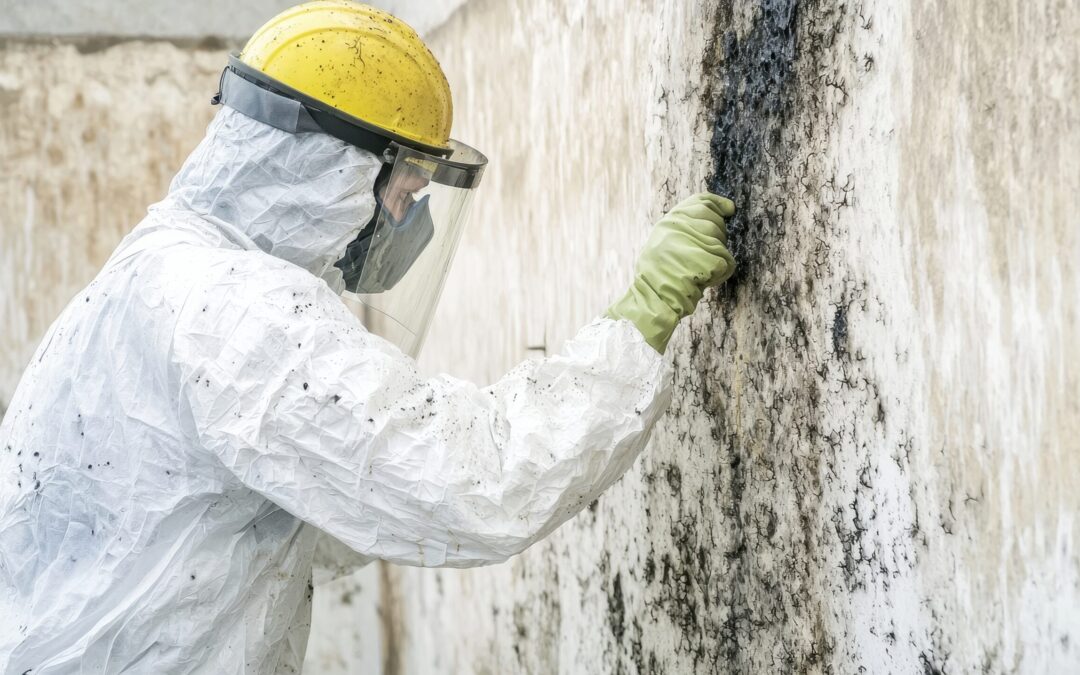
Essential Steps for a Thorough Mold Inspection Deltona FL Before Removal
Proper preparation of the affected site is crucial before beginning any mold removal process. This step ensures the safety of everyone involved, prevents further contamination, and lays the groundwork for effective remediation. Below is a detailed guide on how to prepare an area for mold removal.
Before any work begins, it is important to evaluate the extent of mold growth.
– Inspect Visibly Affected Areas: Look for discoloration, water damage, and visible mold patches on walls, ceilings, or floors.
– Check Hidden Areas: Mold often thrives in hidden spaces like behind drywall, under carpeting, or inside air ducts. Consider using a moisture meter or thermal imaging for non-invasive inspection.Classify Contamination Level: Determine if contamination is small (less than 10 square feet) or significant (more than 10 square feet). Large-scale infestations may require professional involvement.
To prevent cross-contamination during mold removal, isolation of the affected site is essential.
– Seal Off Openings: Use plastic sheeting and duct tape to cover vents, doors, and windows leading out of the contaminated space.
– Create Negative Air Pressure: Install air filtration devices equipped with HEPA (High-Efficiency Particulate Air) filters to draw air out of the room safely while preventing spores from spreading elsewhere.Restrict Access: Limit access to only those involved in remediation by setting up physical barriers or signage outside the affected space.
Working in environments with mold can pose health risks such as respiratory issues or allergic reactions.Personal Protective Equipment (PPE): – N95 respirators or higher-grade masks – Gloves made from rubber or nitrile – Safety goggles without ventilation holes – Disposable coveralls to protect skin and clothing – Ventilation Systems: – Avoid using fans that could spread spores. – Use exhaust systems that direct airflow outdoors rather than within adjacent rooms.
Items within an infested area should be carefully managed based on their condition: | Item Type | Action | |——————–|————————————————————————| | Porous Materials | Remove and discard items like carpeting, drywall, insulation if heavily contaminated as they cannot be fully cleaned effectively. | | Non-Porous Surfaces | Clean hard surfaces such as metal or glass thoroughly with appropriate cleaning agents like detergent solutions or antimicrobial cleaners. | | Valuables | Inspect personal belongings; items like books might need professional restoration services if valuable but affected minimally.
Having necessary tools and supplies prepared ahead reduces delays during actual remediation efforts: Some essential tools include: – HEPA-filtered vacuum cleaners – Plastic sheets/tape rolls – Cleaning agents,scrub-brush
Effective Mold Testing Deltona FL: Tips to Prevent and Stop Mold From Spreading in Your Home
Mold growth can quickly become a significant issue if left unchecked, potentially leading to structural damage and health concerns. Below are unique, effective tips to help control and prevent mold from spreading in your home.
Control Humidity Levels
Mold thrives in damp environments.
- Use a dehumidifier
- Invest in a hygrometerto monitor humidity levels accurately.
| Area of Concern | Suggested Action | Tools Needed |
| Basements | Use dehumidifiers regularly | Dehumidifier, hygrometer |
| Bathrooms | Install or maintain exhaust fans | Exhaust fan |
| Kitchens & Laundry | Adequate ventilation during use | Fans |
Address Water Leaks Promptly
Water leaks are one of the primary contributors to mold infestations.
- Inspect plumbing for leaks in pipes under sinks or behind appliances like dishwashers.
- Check roofs and gutters for damage that could lead to water intrusion during heavy rains.
- Replace old caulking around tubs, sinks, or showers if cracks are present.
Improve Air Circulation Throughout Your Home
- Open windows when weather permits to allow fresh air inside.
- Rearrange furniture away from walls where airflow may be blocked.
- Use ceiling fans or portable fans strategically throughout your home.
Regular Cleaning Practices
- Wipe down high-moisture surfaces (such as windowsills) regularly with a mild cleaner.
- Disinfect commonly used spaces with anti-microbial cleaners that inhibit fungal growth.
- Vacuum carpets using HEPA-filter-equipped vacuums that trap spores effectively.
| Location | Recommended Frequency | Preferred Method |
| Bathrooms | Weekly | Scrub grout lines; clean tiles |
| Kitchens | Bi-weekly | Sanitize sinks; clean behind appliances |
| Basements | Monthly | Sweep corners; check stored items |
Manage Outdoor Areas Effectively
- Redirect downspouts at least six feet away from the foundation.
- Avoid planting shrubs directly against walls where they may trap moisture.
- Clean gutters regularly to ensure proper drainage flow.
Adopt Mold-Inhibiting Products
- Apply mold-resistant paintin bathrooms, basements, or kitchens.
- Use shower liners treated with anti-microbial agents.
- Install air purifiers with HEPA filters capable of removing airborne spores.
By following these preventative tips consistently—focusing on reducing moisture levels, improving airflow, repairing leaks promptly, and maintaining cleanliness—you’ll significantly reduce the risk of mold taking hold or spreading within your living space.
- Mold Remediation Deltona FL – Costs, Expectations, and Key Pricing Factors
- Understanding Mold Remediation Deltona FL and Its Importance for Your Home
- Comprehensive Guide to Professional Mold Removal Deltona FL: Effective Mold Remediation Explained
- Understanding Mold Removal Deltona FL: The Difference Between Removal and Remediation Explained
- 5 Warning Signs That You Need a Mold Inspection Deltona FL Residents Should Know
- Effective Mold Remediation Deltona FL: Five Signs Mold is Hiding in Your Walls and How to Address It