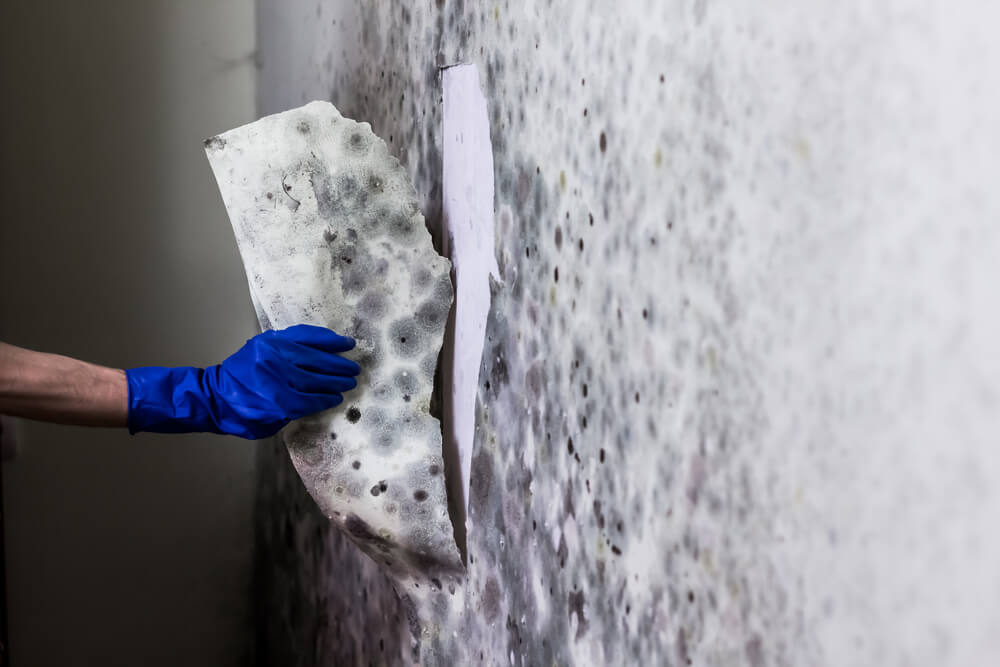
Mold Remediation Deltona FL – Costs, Expectations, and Key Pricing Factors
 Andrea Brown

Mold removal costs can vary significantly depending on several factors that influence the scope and complexity of the job. Understanding these factors can help homeowners prepare financially and make informed decisions when addressing mold issues.
Average Cost of Mold Removal
- National Average: $1,500–$3,500
- Low-End Costs: $500–$1,000 (e.g., for small isolated areas)
- High-End Costs: $6,000 or more (e.g., for extensive or severe contamination)
| Factor | Description | Impact on Cost |
| Size of Affected Area | The larger the area with mold growth, the higher the cost due to increased labor and materials. | Significant |
| Type of Mold | Toxic molds like black mold (Stachybotrys) require specialized removal processes and safety measures. | Moderate to High |
| Location of Mold | Hard-to-reach places (inside walls, HVAC systems) increase labor intensity and time requirements. | Moderate |
| Level of Contamination | Severe infestations may require complete structural remediation or demolition. | High |
Factors That Influence Pricing
- Inspection Costs
Before beginning removal, a professional inspection is often necessary to assess the extent of contamination. While some companies offer free inspections as part of their service package: - Standalone inspections can cost between $200–$600 depending on home size and testing methods used.
- Testing for specific mold types may incur additional fees.
- Remediation Techniques Used
The method chosen for mold removal also impacts pricing: - HEPA vacuuming or sanding surfaces is typically less expensive than chemical-based treatments or dry ice blasting.
- Using environmentally friendly solutions may add slightly to overall costs.
- Repairs & Reconstruction Needs
After removing mold, areas damaged by moisture may require repairs: - Drywall replacement: $1–$3 per square foot.
- Flooring repairs: Varies by material but ranges from $6–$30 per square foot depending on complexity.
- Labor Costs in Your Region
Hourly labor rates fluctuate based on geographic location and demand for skilled professionals in your area. - Severity of Underlying Water Damage
If hidden leaks caused structural damage requiring additional fixes (such as plumbing repairs), this could substantially raise your bill.
Tips to Manage Mold Removal Costs
- Obtain multiple quotes from certified contractors to ensure competitive pricing without sacrificing quality.
- Address minor mold problems early before they escalate into larger issues.
- Discuss financing options with contractors; some companies offer payment plans for extensive projects.
- Check insurance coverage—some homeowner policies include provisions for water damage-related mold remediation.
By understanding these variables, you’ll be better prepared to navigate the costs associated with safely eliminating mold from your property while ensuring a healthier living environment.
Effective Mold Removal Deltona FL: Identifying and Assessing Mold in Your Home
Identifying mold in your home early can save you significant time, money, and potential health risks. Understanding how to determine whether mold is present and evaluating its extent requires a systematic approach. Below are detailed guidelines to help you identify mold issues and assess their scope.
Identifying Black Mold in Deltona FL: Key Warning Signs
- Musty Odors: A persistent, musty smell in certain areas of your home could suggest mold growth, even if it’s not immediately visible.
- Visible Growth: Mold typically appears as dark spots or patches on walls, ceilings, floors, or hidden areas like behind furniture or under sinks. It can range in color from black and green to white and yellow.
- Water Damage: Look for discoloration or bubbling on walls and ceilings caused by water leaks—these are prime environments for mold development.
- Health Symptoms: If family members experience symptoms such as coughing, sneezing, headaches, or eye irritation while at home (but not elsewhere), mold might be the culprit.
Expert Tools for Mold Inspection Deltona FL
- Moisture Meters: These devices measure moisture levels in materials like drywall or wood. High readings may indicate conditions conducive to mold growth.
- Infrared Cameras: Thermal imaging can detect temperature variations caused by moisture buildup behind walls or ceilings.
- Mold Test Kits: Available for purchase at hardware stores, these kits allow homeowners to collect samples for lab analysis.
- Professional Air Quality Testing: Experts can assess airborne spore counts with high accuracy compared to DIY methods.
| Tool | Purpose | Cost Range |
| Moisture Meter | Measures moisture levels | $20 – $300 |
| Infrared Camera | Detects temperature changes linked to leaks | $150 – $1,000+ |
| Mold Test Kit | Samples mold for lab testing | $10 – $50 |
| Professional Testing | Provides precise spore count data | $300 – $600+ |
Professional Mold Testing Services in Deltona FL
- Typically found in bathrooms or kitchens due to high humidity.
- Can often be handled with DIY methods like scrubbing with detergent and water.
- Found on surfaces such as drywall or carpets after minor water damage.
- May require more advanced cleaning products like antimicrobial solutions.
- Indicates serious contamination often linked to extensive water damage.
- Requires professional remediation due to health risks and structural concerns.
Helpful Tip: Always wear protective gear (e.g., gloves, goggles, masks) when assessing areas suspected of having mold growth.
When to Call a Mold Removal Company Deltona FL for Professional Help
- Extensive spread across multiple rooms
- Recurring growth after previous removal efforts
- Structural damage caused by rot or decay
It’s time to contact a licensed professional for assistance.
Taking these steps will ensure you have a clear understanding of whether your property has a manageable issue—or if expert intervention is required immediately before further damage occurs.
When Mold Remediation Requires Professional Help for Large-Scale Issues
Mold remediation is a process many homeowners may attempt to handle on their own when the affected area is small and manageable. However, large-scale mold infestations or complex situations often require professional assistance. Understanding when professional help is necessary can save you time, prevent health risks, and protect the structural integrity of your property.
Indicators That Professional Mold Remediation Is Needed
- Extensive Spread: If mold covers an area larger than 10 square feet (approximately 3×3 feet), professionals are typically required to ensure proper containment and removal.
- Hidden Growth: Mold in inaccessible areas, such as inside walls, under flooring, or within HVAC systems, often needs specialized tools and expertise to locate and remediate effectively.
- Persistent Mold Issues: If mold reappears after repeated cleaning attempts, it may indicate underlying moisture problems that experts need to address.
- Health Concerns: If household members experience symptoms like respiratory issues, headaches, or allergy flare-ups due to mold exposure, professional intervention ensures proper removal with minimal risk.
Reasons to Opt for Professional Services on Large-Scale Issues
- Professionals like Deltonamoldremoval.org use advanced equipment like moisture meters and infrared cameras to assess the extent of damage.
- Air quality testing determines whether airborne spores pose a risk in addition to visible mold.
- Experts set up containment barriers using materials like plastic sheeting.
- Negative air pressure machines prevent spores from spreading during remediation.
- High-grade antimicrobial solutions are used for effective cleaning without damaging surfaces.
- HEPA vacuums trap microscopic particles during cleanup.
- Mold-contaminated materials (e.g., drywall or insulation) are disposed of according to environmental regulations.
- This prevents further contamination in landfills or harm to others.
- Professionals identify and fix underlying moisture issues such as leaks or humidity imbalances that support future mold growth.
- Post-mold removal restoration ensures your property regains its original condition through structural repairs or repainting services.
Cost Breakdown Table for Professional Mold Remediation
| Type of Service | Estimated Cost Range (USD) | Description |
| Inspection & Testing | $200–$600 | Includes visual inspection, air quality tests, and moisture mapping |
| Small Area Remediation | $500–$1,500 | Covers spaces up to 100 square feet |
| Medium Area Remediation | $2,000–$4,000 | Typically includes one room or multiple connected areas |
| Large Area/Severe Cases | $5,000+ | Whole-house remediation including HVAC systems |
Risks of Skipping Professional Help
- Structural Damage: Mold can weaken wood framing and drywall over time if not removed thoroughly.
- Health Complications: Prolonged exposure increases risks of respiratory infections and worsens conditions like asthma.
- Higher Costs Later: Delaying professional help often results in costlier repairs as the infestation spreads.
By recognizing the scope of your mold problem early on and seeking expert assistance where necessary, you can ensure a safe environment for your family while preserving your home’s value long-term.
Understanding the Benefits of Hiring Expert Mold Removal Services
Mold growth in your home or workplace can pose significant health risks and structural concerns. While some homeowners may consider tackling mold removal as a DIY project, hiring expert mold removal services provides several advantages that ensure effective, safe, and long-lasting results. Below is an exploration of the benefits you can expect from working with experienced professionals.
Expertise and Advanced Techniques
- Comprehensive Inspection: Professionals identify not just visible mold but also areas where spores may be hiding, such as behind walls or under floors.
- Tailored Solutions: They develop custom strategies based on the severity and type of mold infestation.
- Use of Specialized Equipment: Tools like moisture meters, infrared cameras, HEPA air scrubbers, and powerful vacuums are used to effectively remove mold while preventing further spread.
Improved Health and Safety
Exposure to mold can lead to respiratory issues, allergies, asthma attacks, and other health concerns. Professional remediation ensures thorough removal while minimizing health risks during the process.
- Containment Strategies: Experts establish containment zones using barriers and negative air pressure systems to prevent spores from spreading.
- Proper Disposal: Mold-infested materials are safely disposed of according to local regulations.
- Air Quality Improvement: With professional-grade filtration systems in place during remediation, airborne spores are removed effectively.
Long-Term Prevention
- Identifying sources of moisture (e.g., leaks or high humidity).
- Recommending appropriate repairs (e.g., fixing plumbing issues or improving ventilation).
- Offering guidance on maintaining a dry environment moving forward.
| Common Causes Professionals Address | Suggested Remedies |
| Leaking pipes or roofs | Repair leaks promptly |
| Poor ventilation in bathrooms | Install exhaust fans |
| Condensation on windows | Use dehumidifiers |
Time Efficiency
- Rapid assessment reduces downtime between inspection and action.
- Skilled teams complete jobs more quickly than untrained individuals.
Insurance Assistance
Many reputable remediation companies assist homeowners with navigating insurance claims related to water damage and mold removal costs. Their documentation makes it easier for you to provide evidence required by insurers.
Hiring expert mold removal services is essential when dealing with potentially hazardous infestations that require precision handling. It’s an investment not just in your property’s structural integrity but also in your health and peace of mind.
Understanding the Benefits of Hiring Expert Mold Removal Services
Dealing with mold in your home or business can be daunting, especially if the infestation is widespread. While some may attempt DIY methods to address mold, hiring expert mold removal services offers a range of benefits that help ensure thorough remediation and long-term safety for your property. Below, we’ll explore the key advantages of working with trained professionals for mold removal.
Comprehensive Inspection and Assessment
Professional mold removal services begin with a detailed inspection to identify problem areas and assess the severity of the infestation. This process involves:
– Advanced equipment: Experts use tools like moisture meters, infrared cameras, and air quality monitors to detect hidden mold and determine its root cause.
– Customized solutions: After identifying the type and extent of the mold, professionals develop tailored remediation plans specific to your property’s needs.
By pinpointing both visible and hidden sources, expert assessments reduce the chances of reoccurring outbreaks.
Effective Mold Removal Techniques
Certified contractors utilize specialized techniques to eliminate mold safely while minimizing disruption to your property. These processes often include:
1. Containment: Professionals set up physical barriers or negative air pressure systems to prevent spores from spreading during cleanup.
2. Removal: They physically remove contaminated materials such as drywall or carpeting if necessary. In cases where materials can be salvaged, they apply EPA-approved cleaning agents designed specifically for mold elimination.
3. Air Filtration: High-efficiency particulate air (HEPA) filters are used to capture airborne spores during remediation.
These methods ensure that both surface-level and airborne molds are effectively addressed.
Health Protection for Occupants
Exposure to mold can lead to health issues like respiratory problems, allergies, asthma flare-ups, or even more severe conditions in individuals with compromised immune systems. Professionals follow strict safety protocols—such as wearing personal protective equipment (PPE)—to reduce exposure risks during remediation efforts for both themselves and property occupants.
They also focus on identifying underlying causes like leaks or poor ventilation so you can address these issues proactively—minimizing future health risks associated with recurring infestations.
Time and Cost Efficiency
Attempting DIY solutions without proper knowledge or tools can often lead to incomplete removal or accidental spreading of spores throughout your home—a situation that may require more extensive (and costly) intervention later on. Professional contractors streamline the process by swiftly identifying areas of concern while ensuring thorough cleanup on their first attempt.
Hiring experts also saves time by letting you avoid trial-and-error approaches common in DIY efforts.
| Benefit | DIY Mold Removal | Professional Mold Removal |
| Effectiveness | May miss hidden mold | Thorough detection & removal |
| Safety | Risky due to lack of PPE | Follows established safety protocols |
| Long-term Prevention | Limited knowledge on root causes | Identifies underlying issues |
Peace of Mind Through Expertise and Certification
Certified professionals bring years of experience dealing with various types of molds across different environments. Their training ensures they comply with industry standards set by organizations like the Institute of Inspection Cleaning and Restoration Certification (IICRC) or similar regulatory bodies.
Additionally, many companies provide warranties for their work—offering reassurance that they stand behind their services should any issues arise after completion.
By relying on trained experts who understand both the science behind fungal growth and proper remediation techniques, you gain confidence that your home will remain safe from further contamination over time.
What to Do When Facing Severe Mold Contamination in Your Property
Severe mold contamination can pose significant risks to both your health and the structural integrity of your property. When dealing with extensive mold growth, it is essential to take methodical steps to address the problem effectively and efficiently. Below is a comprehensive guide on what to do when you encounter severe mold contamination in your home or property.
Assess the Scope of the Contamination
- Visible Growth: Look for patches or discoloration on walls, ceilings, flooring, and other surfaces.
- Odors: Pay attention to musty or damp smells, which may indicate hidden mold.
- Affected Areas: Identify rooms or spaces where moisture problems are evident (e.g., bathrooms, basements).
If you are unsure about the severity of the contamination, consider hiring a professional inspector who can provide a detailed assessment through testing and analysis.
Prioritize Safety Measures
- Wear protective gear such as gloves, goggles, an N95 respirator mask, and long-sleeved clothing.
- Avoid disturbing moldy areas unnecessarily to prevent spores from spreading.
- Isolate affected areas by sealing off doors and vents with plastic sheeting.
For large-scale contamination or if anyone in your household has preexisting health conditions (e.g., asthma or immune deficiencies), professional assistance should be prioritized.
Engage Professional Mold Remediation Services
- Accurate Diagnosis: Professionals use advanced tools like infrared cameras and air sampling equipment to locate hidden mold.
- Safe Removal: Experts follow industry standards (e.g., IICRC guidelines) for handling large-scale infestations without spreading spores further.
- Comprehensive Solutions: They not only remove existing mold but also address underlying causes such as water damage or humidity issues.
When hiring professionals: – Verify credentials such as licenses, certifications (e.g., from the IICRC), and references. – Request a detailed remediation plan outlining steps they will take during cleanup.
Address Underlying Causes of Mold Growth
| Issue | Solution |
| Leaking pipes | Repair leaks promptly. |
| Poor ventilation | Install exhaust fans or improve airflow. |
| High indoor humidity | Use dehumidifiers; maintain levels below 60%. |
| Flooding or water damage | Dry affected areas within 24–48 hours. |
Consult professionals if repairs involve structural elements such as roofing systems or foundational cracks.
Post-Cleanup Steps for Long-Term Prevention
- Regularly inspect high-risk areas like bathrooms and basements for early signs of moisture buildup.
- Use mold-resistant building materials during renovations (e.g., drywall treated with antimicrobial agents).
- Monitor indoor humidity with a hygrometer and keep levels consistently low.
By staying proactive after remediation efforts are complete, you reduce risks associated with recurring infestations while maintaining a safe living environment.
Severe mold contamination requires an organized approach that accounts for health concerns, proper removal techniques, and preventive strategies. By following these steps diligently or engaging expert help when needed, homeowners can ensure effective resolution while safeguarding their properties from future issues related to extensive mold growth.
Steps to Take After Discovering Mold: From Inspection to Complete Removal
Discovering mold in your property can be alarming, but taking prompt and methodical action is essential to mitigate its impact. Here are the critical steps you should follow to tackle mold issues effectively, from identifying the problem to ensuring complete removal.
Step 1: Assess the Situation
- Observe Visible Signs: Look for discoloration on walls, ceilings, floors, or other surfaces. Mold often appears as black, green, white, or gray patches.
- Monitor Musty Odors: A persistent musty smell is often a strong indicator of mold, even if it isn’t immediately visible.
- Check for Water Damage: Areas with leaks, condensation buildup, or flooding history are prime locations where mold thrives.
Step 2: Conduct a Professional Inspection (If Necessary)
While minor mold infestations can sometimes be handled without outside help, large-scale issues require a professional inspection. Hiring certified inspectors ensures accurate identification of the extent and type of mold present in your property.
- Air Quality Testing: Professionals can test air samples for airborne spores that may not be visible to the naked eye.
- Moisture Detection Tools: Infrared cameras and moisture meters help identify hidden water sources fueling mold growth.
| Inspection Service | Estimated Cost Range | Notes |
| Visual Mold Assessment | $150–$300 | Basic inspection of visible areas |
| Air Quality Testing | $200–$600 | Ideal for identifying hidden molds |
| Surface Sampling | $50–$150 per sample | Used to identify specific mold types |
Step 3: Contain the Affected Area
Preventing the spread of spores during cleanup is crucial:
– Seal Off the Area: Use plastic sheeting and tape to block off doors and vents leading out from affected spaces. – Turn Off HVAC Systems: This minimizes circulation that could spread spores across your home. – Use Protective Gear: Wear gloves, masks (preferably N95-rated), goggles, and coveralls when dealing with mold.
Step 4: Remove Mold Safely
Depending on the size and severity of contamination: – For small areas (less than 10 square feet): Scrub nonporous surfaces like tiles or glass with detergent and water; consider using commercial cleaners or diluted bleach solutions (1 part bleach to 10 parts water) for tougher stains. – For porous materials like drywall or carpet: Discard permanently damaged items as cleaning deep within these materials is often ineffective. – HEPA vacuuming may also be used after cleaning surfaces to capture residual spores.
Step 5: Address Moisture Issues Permanently
Mold will return if underlying moisture problems remain unresolved: – Repair leaky pipes or roofs promptly. – Ensure proper ventilation in high-humidity areas such as basements, bathrooms, and kitchens. – Use dehumidifiers or install exhaust fans where necessary.
Step 6: Verify Complete Removal
After cleanup efforts are complete: 1. Inspect all previously affected areas for any remaining discoloration or odors. 2. Test humidity levels in vulnerable spaces—keeping them below 50% helps prevent regrowth. 3. Consider hiring professionals for post-removal testing if you suspect lingering contamination.
By following these steps diligently and addressing both immediate concerns as well as long-term preventive measures, you can ensure your property remains safe from future mold infestations while protecting its structural integrity and maintaining indoor air quality.
- Mold Remediation Deltona FL – Costs, Expectations, and Key Pricing Factors
- Understanding Mold Remediation Deltona FL and Its Importance for Your Home
- Comprehensive Guide to Professional Mold Removal Deltona FL: Effective Mold Remediation Explained
- Understanding Mold Removal Deltona FL: The Difference Between Removal and Remediation Explained
- 5 Warning Signs That You Need a Mold Inspection Deltona FL Residents Should Know
- Effective Mold Remediation Deltona FL: Five Signs Mold is Hiding in Your Walls and How to Address It