

Mold inspection is a critical process for identifying the presence of mold in your home and assessing the extent of any infestation. Mold, a type of fungus, thrives in moist environments and can grow on various surfaces, such as walls, ceilings, floors, and even furniture. While mold may sometimes be visible, it can also lurk behind walls or in less accessible areas, making professional inspection essential.
Why is Mold Inspection Important?
- Health Concerns: Some molds release allergens and toxins that can cause respiratory problems, skin irritation, or allergic reactions. Prolonged exposure to certain types of mold may lead to serious health conditions like asthma or chronic lung issues.
- Prevent Structural Damage: Mold feeds on organic materials like wood and drywall. Over time, unchecked growth can compromise the structural integrity of your home.
- Early Detection Saves Money: Identifying mold issues early allows homeowners to address them before they become widespread problems that demand costly remediation.
- Maintain Property Value: Homes with untreated mold problems often suffer from reduced market value and may face challenges during sales inspections.
Common Areas Where Mold Develops
| Area | Reason for Susceptibility |
| Bathrooms | High humidity levels from showers and baths |
| Kitchens | Frequent water usage around sinks and appliances |
| Basements | Poor ventilation and potential water leaks |
| Attics | Roof leaks or improper ventilation |
| Windowsills | Condensation build-up |
How Does a Mold Inspection Help?
- Moisture Meters: Measure the amount of moisture in walls or flooring.
- Infrared Cameras: Detect temperature differences associated with hidden water damage.
- Air Quality Testing Kits: Check for elevated levels of airborne mold spores.
By identifying problem areas accurately, inspectors provide actionable insights into how to address both existing mold growth and its underlying causes.
When Should You Schedule a Mold Inspection?
- Visible spots of discoloration on walls or ceilings
- Musty odors that persist over time
- Water stains or evidence of past leaks
- Unexplained allergic symptoms among household members
Proactive inspections are also recommended if you live in areas prone to high humidity or have recently experienced flooding in your home.
Incorporating regular mold inspections into your home maintenance routine helps safeguard both health and property while minimizing long-term risks associated with unchecked fungal growth.
Understanding the Process of Mold Removal Deltona FL Experts Use
A professional mold inspection is a critical process for identifying and addressing potential mold issues in your home or building. Understanding the steps involved can help you prepare for the process and ensure that the inspection is thorough and effective. Here’s a detailed breakdown of what typically happens during a professional mold inspection.
Comprehensive Initial Consultation for Black Mold in Deltona FL
- History of water damage: Past leaks, flooding, or plumbing issues that may have caused excess moisture.
- Signs of mold growth: Visible mold spots, musty odors, or areas prone to dampness.
- Health concerns: Any respiratory symptoms or allergic reactions reported by occupants.
This stage helps the inspector tailor the inspection to your specific concerns.
Comprehensive Mold Inspection Deltona FL Services
- Visible mold growth: Walls, ceilings, floors, and other surfaces where mold might be present.
- Moisture-prone areas: Bathrooms, kitchens, basements, attics, crawl spaces, HVAC systems, and near windows or doors.
- Potential water sources: Leaking pipes, roof damage, condensation buildup around vents or appliances.
The visual inspection helps identify obvious signs of mold but also detects conditions conducive to its growth.
Professional Mold Testing Deltona FL: Using Specialized Tools
| Tool | Purpose |
| Moisture meters | Measure moisture levels in walls, floors, and ceilings. |
| Infrared cameras | Identify temperature variations that indicate moisture accumulation. |
| Hygrometers | Assess humidity levels in indoor air. |
| Borescopes | Examine hard-to-reach spaces inside walls or ducts without demolition. |
These tools are essential for detecting hidden mold colonies that are not visible during the initial walkthrough.
Comprehensive Air and Surface Sampling by a Trusted Mold Removal Company Deltona FL
- Air sampling – Determines whether there are elevated levels of airborne spores inside compared to outside.
- Surface sampling – Swabs taken from affected areas help confirm the type(s) of mold present.
Samples are sent to accredited laboratories for analysis. Results typically include details about spore counts and species detected.
Reporting Findings
- Areas affected by mold
- Severity of contamination
- Underlying causes (e.g., water intrusion)
- Recommendations for remediation
- Preventative measures to avoid recurrence
This document serves as a roadmap for addressing existing issues effectively.
Post-Inspection Recommendations
Depending on their findings:
1. The inspector may recommend mitigation steps like repairing leaks or improving ventilation before remediation begins. 2. If significant contamination exists beyond surface cleaning capabilities (e.g., black molds), they’ll advise engaging certified remediation specialists who follow industry standards such as IICRC protocols.
Understanding these stages ensures property owners can collaborate efficiently while resolving any impending structural/health risks tied directly toward long-term sustainability after corrective action completion
When Should You Consider Getting a Mold Inspection and Testing for Your Home
Mold can pose serious health risks, damage your property, and spread rapidly. Knowing when to consider a mold inspection and testing for your home is crucial in maintaining a healthy and safe living environment. Below are specific situations when you should prioritize scheduling a professional mold inspection.
1. Unexplained Health Symptoms
- Persistent coughing or sneezing
- Watery or itchy eyes
- Nasal congestion or runny nose
- Skin irritation or rashes
- Headaches
If medical evaluations cannot pinpoint the cause of these symptoms, it might be time to assess your home for potential mold growth.
2. Visible Signs of Mold Growth
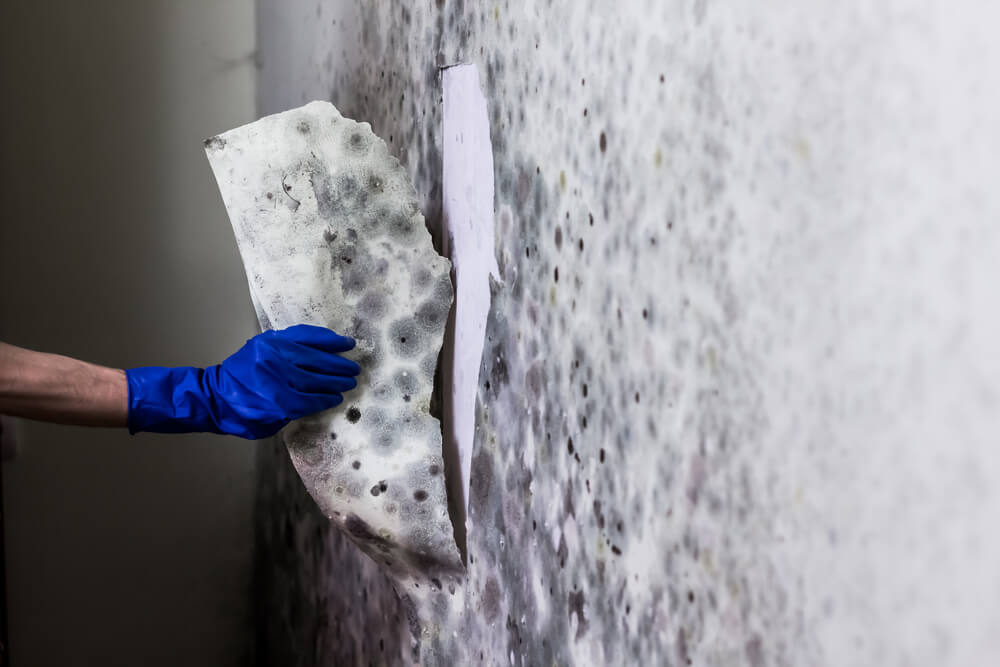
- Black, green, or white spots on walls, ceilings, floors, or furniture
- Peeling paint or wallpaper caused by moisture buildup
- Discoloration on surfaces near water sources like sinks or showers
Visible signs often indicate that there is more hidden growth beneath surfaces that only testing can uncover.
3. Persistent Musty Odors
A persistent musty smell in your home that won’t go away despite cleaning efforts may point to hidden mold growth. This odor is particularly common in damp areas like basements, crawl spaces, and attics.
4. Post-Water Damage Events
- Flooding
- Leaking roofs
- Burst pipes
It’s recommended to conduct an inspection even if the area has been dried out because mold can develop within 24–48 hours after moisture exposure.
5. Buying or Selling a Home
| Scenario | Reason for Inspection |
| Buying a Home | To ensure there are no hidden mold issues before finalizing the purchase |
| Selling a Home | To provide potential buyers with confidence about the property’s condition |
Investing in an inspection during these scenarios can prevent legal disputes and unexpected expenses later.
6. Unexplained Increase in Allergy Triggers Indoors
If family members begin experiencing increased allergy triggers indoors but feel better outside the home, it could be due to indoor air quality being compromised by unseen mold spores.
7. Frequent Moisture Problems in Your Home
Homes prone to consistent moisture problems—such as condensation on windows, humidity above 60%, poorly ventilated bathrooms/kitchens—are at higher risk for mold infestations over time.
By addressing these scenarios promptly and hiring certified professionals to inspect and test for mold presence accurately provides peace of mind while ensuring healthy indoor environments are maintained long-term.
How to Choose the Right Mold Inspector for Comprehensive Removal Services
Choosing a qualified and reliable mold inspector is a critical step in ensuring the safety and cleanliness of your home. With mold posing significant structural and health risks, it’s vital to select a professional who can provide thorough inspection and remediation guidance. Below, we’ll discuss key factors to consider when selecting the right mold inspector.
1. Verify Credentials and Certifications
The first step in choosing a mold inspector is verifying their qualifications. Look for professionals with certifications from reputable organizations like:
– National Association of Mold Remediators and Inspectors (NAMRI)
– American Council for Accredited Certification (ACAC)
– International Association of Certified Indoor Air Consultants (IAC2)
These certifications indicate that the inspector has undergone adequate training in identifying mold issues, conducting tests, and recommending appropriate solutions.
2. Assess Industry Experience
Experience matters when it comes to mold inspections. An experienced inspector will be familiar with different types of molds, how they spread, and the most effective ways to detect them. When evaluating potential inspectors:
– Ask how long they’ve been performing mold inspections.
– Inquire about their experience dealing with properties similar to yours (e.g., residential homes, commercial buildings).
An experienced professional will be better equipped to identify hidden mold problems that may go unnoticed by less seasoned inspectors.
3. Request References or Reviews
Customer feedback can provide valuable insight into an inspector’s professionalism and reliability. To evaluate their reputation:
– Request references from previous clients.
– Search online reviews on platforms like Google or Yelp. – Check for complaints or ratings through organizations like the Better Business Bureau (BBB).
Positive reviews often indicate trustworthiness and high-quality services.
4. Understand Their Inspection Process
A qualified mold inspector should follow a structured process during an inspection. Ask them about their methodology, which typically involves:
1. A visual inspection for visible signs of mold growth or water damage. 2. The use of specialized tools such as moisture meters, thermal imaging cameras, or borescopes to detect hidden issues. 3. Air quality sampling or surface testing if necessary. 4. Providing a detailed report outlining findings and recommendations for remediation.
Their transparency about processes can help you gauge their expertise.
5. Confirm Independence from Remediation Services
To avoid potential conflicts of interest, choose an independent inspector who does not offer remediation services themselves or is not financially tied to any remediation companies they recommend. This ensures that their primary goal is accurate detection rather than selling additional services.
6. Compare Costs Without Compromising Quality
While cost should not be your sole deciding factor, it’s essential to ensure you’re receiving value for money:
| Service Component | Average Price Range ($) | Notes | |——————————-|——————————–|—————————————–| | Visual Inspection | $200–$600 | May vary based on property size | | Sampling & Lab Testing | $75–$150 per sample | Depends on number/type of samples | | Detailed Report | Often included in base price | Ensure this feature is provided |
Avoid undercut offers that seem too low—they may reflect inadequate expertise or substandard practices.
7. Communication Skills Matter
Lastly, ensure that your chosen inspector communicates clearly and professionally throughout the process: – Can they explain test results in plain language? – Do they provide actionable advice without technical jargon?
Good communication fosters trust and ensures you fully understand the scope of any identified issues.
By following these steps, you can find a qualified professional who will help protect your home from dangerous mold infestations while providing peace of mind through comprehensive services tailored to your needs.
Should You Get a Mold Inspection When Buying or Selling a House
Mold inspections are a critical consideration during real estate transactions. Whether you are buying or selling a home, identifying the presence of mold can significantly impact the health of the occupants, the value of the property, and even the transaction’s progress. Below, we’ll explore why mold inspections matter in real estate and what you should know before making your decision.
Why Mold Inspections Are Important for Buyers
- Health Concerns: Mold exposure has been linked to respiratory issues, allergies, and other adverse health effects. Identifying mold early protects your family’s well-being.
- Uncover Hidden Problems: Visible signs of water damage or musty odors might indicate underlying mold issues that require attention.
- Negotiating Leverage: If mold is detected during the inspection process, buyers may have grounds to request repairs from sellers or negotiate a lower purchase price to account for remediation costs.
Why Sellers Should Take Mold Inspections Seriously
- Boosting Marketability: Homes seen as “move-in ready” are more attractive to buyers; addressing mold beforehand helps achieve this status.
- Reducing Legal Risks: Failing to disclose known issues could result in post-sale legal disputes from new owners who discover hidden mold problems.
- Avoiding Transaction Delays: Resolving mold concerns early prevents complications that could delay closing timelines.
Key Indicators That You May Need a Mold Inspection During Real Estate Transactions
| Indicator | Reason |
| Visible Water Damage | Stains on ceilings/walls point to potential moisture intrusion leading to mold growth. |
| Musty Odors | Persistent earthy smells may indicate hidden colonies inside walls or under floors. |
| Past Flooding Events | Properties previously impacted by floods often develop long-term moisture problems conducive to mold formation. |
| Older Homes Without Updates | Aging structures with outdated plumbing systems might be more prone to leaks and humidity imbalances. |
How Mold Inspections Fit Into Real Estate Agreements
In many real estate contracts, inspections are included as contingencies—conditions that must be met before closing. A thorough inspection for issues like structural damage typically includes checking for water intrusion points that foster mold growth. However, you can also request a specific mold-focused inspection if concerns arise based on property history or visual signs.
Tips for Managing Mold Inspections as Part of Your Transaction Process
- Choose Certified Professionals: Ensure your chosen inspector has relevant certifications such as those from the National Association of Mold Remediators and Inspectors (NAMRI).
- Request Documentation: Obtain detailed reports outlining detected problem areas along with photos and recommendations for remediation.
- Budget Accordingly: If you’re selling, allocate funds upfront for necessary repairs; if buying, factor in potential remediation costs during negotiations.
- Understand Disclosure Laws: Familiarize yourself with local regulations requiring disclosure of known environmental hazards like mold.
By integrating these steps into your transaction strategy—whether you’re buying your dream home or preparing one for sale—you can help ensure transparency while avoiding unexpected surprises down the line.
Addressing potential mold issues upfront safeguards financial interests while protecting future occupants’ safety during any real estate endeavor involving homes susceptible due environmental exposure risks over time
What Factors Affect the Cost of a Complete Mold Inspection
1. Size and Type of Property
The size and layout of your property play a significant role in determining inspection costs. Larger properties require more time for thorough examination, increasing labor hours and costs.
- Small homes or apartments: Typically less expensive due to reduced inspection areas.
- Multi-story houses or commercial buildings: May incur higher charges because they require more extensive assessments.
Additionally, older homes or properties with complex designs may require specialized attention, which can also increase costs.
2. Extent of Mold Growth
The severity and location of mold growth significantly impact inspection fees. Inspectors may charge more if:
– The mold spread is widespread throughout multiple rooms or hidden areas like attics, crawl spaces, or HVAC systems. – Accessing certain areas requires additional tools or effort (e.g., removing drywall).
If only minimal mold contamination exists, the inspection will likely be quicker and less expensive compared to cases involving extensive infestations.
3. Testing Methods Used
Different testing techniques influence overall costs:
| Test Type | Description | Typical Cost Range* |
|———————–|————————————————–|————————-|
| Air Sampling | Detects airborne mold spores | $75 – $150 per sample |
| Surface Sampling | Tests visible surfaces for contamination | $50 – $100 per sample |
| Bulk Sampling | Involves collecting materials from affected areas| $100 – $200 per sample |
*Costs vary depending on location and provider.
More advanced methods, such as thermal imaging or moisture mapping, may also contribute to higher fees but provide greater accuracy in identifying hidden moisture issues.
4. Geographic Location
Where you live can significantly influence pricing due to regional market rates:
– Urban areas with higher demand for services often have increased prices. – In contrast, rural locations may see lower prices but limited access to experienced professionals.
Local regulations surrounding inspections or certifications can further impact overall expenses.
5. Inspector’s Expertise and Certification
Experienced inspectors with reputable certifications (such as IICRC or NORMI) typically charge more for their services but offer a higher level of skill and credibility. Hiring certified professionals ensures accurate results while potentially reducing long-term remediation expenses by addressing the root causes effectively.
Tips for Managing Costs During Mold Inspections
- Get Multiple Quotes: Contact several licensed inspectors in your area to compare prices and services offered.
- Ask About Packages: Some companies bundle testing with remediation at discounted rates.
- Prioritize Areas: Focus on high-risk zones like basements, bathrooms, or kitchens if budget limitations exist.
- DIY Preliminary Checks: Use affordable at-home mold test kits before hiring professionals to confirm suspicions about contamination.
Evaluating these factors thoroughly allows homeowners to make informed decisions without compromising safety standards during mold inspections.
- Mold Remediation Deltona FL – Costs, Expectations, and Key Pricing Factors
- Understanding Mold Remediation Deltona FL and Its Importance for Your Home
- Comprehensive Guide to Professional Mold Removal Deltona FL: Effective Mold Remediation Explained
- Understanding Mold Removal Deltona FL: The Difference Between Removal and Remediation Explained
- 5 Warning Signs That You Need a Mold Inspection Deltona FL Residents Should Know
- Effective Mold Remediation Deltona FL: Five Signs Mold is Hiding in Your Walls and How to Address It