

When it comes to addressing mold issues in homes or businesses, understanding the difference between mold removal and mold remediation is essential. These terms are often used interchangeably, but they refer to distinct processes that tackle mold problems from different angles. Clarifying these differences can help property owners make informed decisions when dealing with mold contamination.
Mold Removal: A Focus on Eliminating Visible Mold
Mold removal refers to the process of physically eliminating visible mold growth from surfaces. This method is often cosmetic in nature and addresses only what can be seen on walls, ceilings, floors, or other affected areas. While this approach may improve the appearance of a space temporarily, it does not address the underlying conditions causing mold growth.
- Surface cleaning: Scrubbing affected areas using cleaning agents like bleach or specialized antimicrobials.
- Vacuuming: Using HEPA-filtered vacuums to clean up loose spores after cleaning surfaces.
- Painting or sealing: In some cases, painted-over mold can give a false sense of resolution.
However, without resolving moisture issues or hidden mold colonies, visible mold may return over time. This is why focusing solely on removal can be insufficient for preventing future outbreaks.
Mold Remediation: A Holistic Approach
Mold remediation goes beyond merely removing visible contamination by addressing the root causes of mold growth. It involves identifying and correcting conditions that allow mold to thrive—primarily moisture and humidity levels—and ensuring that affected areas are treated comprehensively.
- Inspection and assessment: Identifying both visible and hidden sources of contamination.
- Containment: Setting up physical barriers (e.g., plastic sheeting) to contain spores during cleanup.
- Air filtration: Using air scrubbers and HEPA filters to capture airborne spores.
- Moisture control: Fixing leaks or improving ventilation systems to reduce humidity levels.
- Treatment of materials: Cleaning or discarding porous items like drywall, wood, or fabric that may harbor deep-set colonies.
This method ensures long-term effectiveness by creating an environment where future fungal growth is less likely.
Comparing Mold Removal vs. Mold Remediation
| Aspect | Mold Removal | Mold Remediation |
| Primary Focus | Eliminates visible contamination | Addresses root causes & hidden issues |
| Long-Term Effectiveness | Temporary improvement | Sustainable solution |
| Techniques Used | Cleaning & surface treatment | Inspection, containment & prevention |
| Scope | Limited to surface-level cleanup | Comprehensive approach |
Why Understanding This Difference Matters
Understanding the distinction between mold removal and remediation ensures you choose a strategy tailored to your specific needs. While removal may suffice for minor surface-level issues, remediation provides a more thorough solution for preventing recurrence.
By opting for proper mold remediation services when needed, homeowners can preserve indoor air quality, prevent structural damage caused by prolonged exposure to moisture and fungi, and reduce potential health risks associated with continuous exposure to allergens from mold spores.
Mold Remediation Deltona FL: Addressing the Root Cause of Mold Growth
Mold remediation differs from simple mold removal by focusing on identifying and addressing the underlying causes of mold growth. While mold removal involves eliminating visible contamination, remediation encompasses a more holistic process aimed at preventing recurrence. Understanding this distinction is key to achieving long-term results and maintaining a safe, healthy environment.
Causes of Mold Growth
- Leaking pipes or roofs – Persistent leaks provide consistent moisture, creating an ideal breeding ground for mold.
- High indoor humidity – Humidity levels above 60% can lead to condensation and promote mold growth.
- Poor ventilation – Limited airflow in areas like bathrooms or basements can trap moisture.
- Flooding or water damage – Any untreated water intrusion can quickly result in mold colonies.
- Damp building materials – Items such as drywall, wood, or insulation retain moisture, making them vulnerable.
Addressing these root causes is essential to prevent the reappearance of mold after removal efforts.
Steps in Mold Remediation
- Identify the source of moisture driving mold growth.
- Determine the extent of contamination through visual inspection or air sampling.
- Isolate affected areas using plastic sheeting or negative air pressure to prevent spores from spreading during cleanup.
- Repair leaks, improve drainage, and address any water intrusion issues.
- Dehumidify spaces using air movers and dehumidifiers to reduce ambient moisture levels.
- Safely remove porous items (e.g., drywall, carpets) that cannot be adequately cleaned.
- Clean non-porous surfaces with antimicrobial solutions.
- Use HEPA-filtered vacuums or air scrubbers to capture airborne spores during the process.
- Ensure all visible mold has been eliminated and confirm acceptable air quality levels with post-remediation testing if needed.
Preventing Future Mold Growth
| Action | Description |
| Maintain Proper Ventilation | Use exhaust fans in kitchens, bathrooms, and laundry rooms. |
| Monitor Humidity Levels | Keep indoor humidity below 50% using dehumidifiers if needed. |
| Regular Inspections | Check for leaks or damp areas periodically throughout your home. |
| Prompt Water Damage Repairs | Address any flooding or leaks immediately to reduce risk. |
Why Root Cause Matters
Focusing solely on removing visible signs of mold may provide temporary relief but fails to address potential hidden issues that could lead to re-infestation. By tackling root causes such as persistent moisture problems, proper ventilation deficiencies, or structural vulnerabilities, remediation ensures long-term success while safeguarding indoor air quality and occupant health.
Understanding these aspects highlights why professional expertise is often necessary for effective remediation efforts—a topic further explored later in this article series on comprehensive mold management strategies.
Effective Solutions for Removing Black Mold in Deltona FL
Mold removal refers to the process of eliminating mold growth that is visible on surfaces within a property. While mold remediation addresses the underlying causes and aims to prevent recurrence, mold removal focuses specifically on cleaning and removing existing colonies. It is a critical step in restoring a safe and healthy indoor environment. Below, we explore effective solutions, techniques, and tools for successful mold removal.
Essential Steps for a Thorough Mold Inspection Deltona FL
- Begin with a thorough inspection of your home or workspace to identify areas with visible mold growth.
- Pay special attention to damp and humid spaces such as basements, bathrooms, kitchens, or areas near leaky pipes.
- Use plastic sheets or barriers to isolate the affected area and prevent spores from spreading during removal.
- Shut off the HVAC system in the area to minimize airflow that could carry spores elsewhere in your property.
- Wear appropriate personal protective equipment (PPE), including gloves, goggles, and an N95 mask or respirator. This ensures you avoid direct contact with mold spores.
- Hard Surfaces: Use a solution of water and detergent or a commercial antimicrobial cleaner to scrub away mold from non-porous materials like tile, glass, or metal.
- Porous Materials: For items like drywall or ceiling tiles that are heavily infested by mold, it may be necessary to remove and dispose of them entirely as cleaning may not be effective.
- After manual cleaning, use a vacuum equipped with HEPA filters to trap any remaining spores from surfaces or the surrounding air.
- Once cleanup is complete, ensure the area is completely dry using dehumidifiers or fans if necessary.
- Address leaks or sources of moisture immediately to prevent new growth.
Essential Tools for Mold Testing Deltona FL
| Tool/Equipment | Purpose | Notes |
| Plastic Sheeting | Containment | Prevents spread of spores during the process |
| Scrub Brushes | Surface Cleaning | Used for scrubbing off visible contamination |
| Antimicrobial Cleaners | Disinfecting | Kills microbes effectively |
| HEPA Vacuum | Airborne Spore Removal | High-efficiency particulate air filter traps small particles |
| Dehumidifier | Moisture Control | Reduces humidity levels post-clean-up |
Top Tips for Choosing a Mold Removal Company Deltona FL
- Using Bleach Alone: While bleach can remove surface stains caused by mold, it does not penetrate porous surfaces effectively where roots may remain active.
- Skipping Protective Gear: Direct exposure can lead to respiratory issues or skin irritation.
- Ignoring Repairs: Failing to fix water leaks or reduce humidity will only result in recurring problems.
- Overlooking Hidden Areas: Mold often thrives behind walls, under flooring, or inside HVAC systems—ensure all such areas are inspected.
When Should You Call Professionals?
- Extensive structural damage caused by prolonged moisture issues.
- High risk of harmful mycotoxins being present from certain types of molds (e.g., black mold).
- Hidden infestations in hard-to-reach areas like crawlspaces or ductwork systems.
Mold removal professionals utilize advanced tools like infrared cameras for detection and industrial-grade equipment for cleanup while adhering strictly to safety protocols outlined by organizations such as the Institute of Inspection Cleaning and Restoration Certification (IICRC).
Taking proactive measures towards proper cleanup ensures you eliminate visible contamination effectively while mitigating health risks associated with exposure over time.
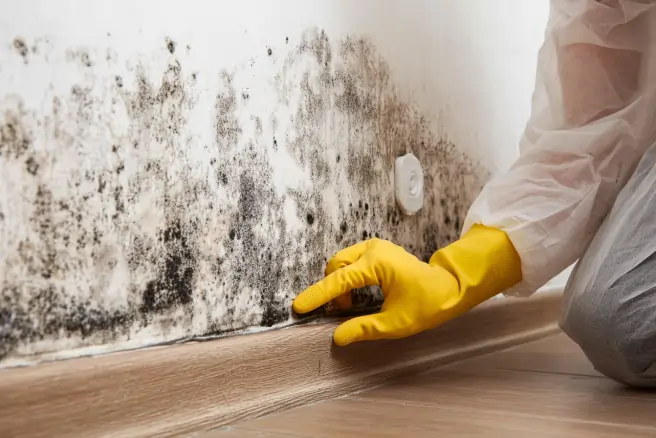
How to Tackle Mold Issues with a Comprehensive Approach
Mold issues can become significant problems if not addressed systematically. A comprehensive approach ensures that not only is mold removed, but the root causes are identified and mitigated to prevent future growth. Below is a detailed guide on tackling mold issues effectively.
Step 1: Assess the Severity of Mold Growth
Before taking any action, it’s essential to determine the extent of the mold problem. This step helps in deciding whether professional help is required or if you can manage it yourself.
- Visual Inspection: Look for visible signs of mold, such as discolored patches on walls, ceilings, or flooring.
- Odor Detection: Persistent musty odors often indicate hidden mold growth.
- Professional Testing: For larger infestations, consider hiring professionals who can test air quality and conduct surface sampling.
Step 2: Identify and Eliminate Moisture Sources
- Leaking pipes or faucets
- Poor ventilation in bathrooms or kitchens
- Condensation buildup on windows or walls
- Roof leaks allowing water intrusion
Pro Tip: Use a hygrometer to monitor humidity levels indoors. Aim for relative humidity levels between 30% and 50%.
Step 3: Contain and Protect During Removal
Preventing the spread of mold spores during remediation is critical.
- Seal Off Affected Areas: Use plastic sheeting and duct tape to contain contaminated spaces.
- Use Personal Protective Equipment (PPE): Wear gloves, goggles, and N95 masks to protect against airborne spores.
- Turn Off HVAC Systems: This prevents spores from circulating through air ducts.
Step 4: Remove Visible Mold Safely
| Surface Type | Removal Method |
| Non-porous (e.g., glass, metal) | Clean with detergent or commercial mold remover |
| Semi-porous (e.g., wood) | Sanding may be required for deep contamination |
| Porous (e.g., drywall) | Replace affected sections entirely |
For large-scale infestations (over 10 square feet), it’s advisable to consult certified professionals.
Step 5: Repair Damaged Materials
After removal, inspect surfaces for damage caused by moisture or mold. Repair or replace compromised structures such as drywall panels, wooden beams, or insulation.
Step 6: Prevent Future Mold Growth
- Improve indoor ventilation using exhaust fans in high-moisture areas.
- Install a dehumidifier to maintain optimum humidity levels.
- Regularly check your home for leaks or other potential water damage sources.
- Clean gutters frequently to ensure proper drainage away from your home’s foundation.
- Use mold-resistant products like paints and drywall during renovations.
Why a Comprehensive Approach Matters
A piecemeal approach often leaves underlying problems unaddressed, leading to recurring issues. By combining effective removal techniques with preventive strategies like moisture control and regular maintenance, you can create a healthier environment that reduces the risk of future contamination.
The Importance of Understanding Mold Removal and Remediation Techniques
Mold can pose serious health risks and structural damage to homes if left unmanaged. It is essential to understand the differences between mold removal and remediation techniques to address the problem effectively and prevent recurrence. Each technique serves a distinct purpose, making it critical to choose the appropriate method based on the severity of the mold infestation.
What is Mold Removal?
- Cleaning visible mold using specialized cleaning agents or solutions.
- Scrubbing mold off non-porous surfaces such as tiles, countertops, or metal.
- Repainting or refinishing affected areas after cleaning.
However, relying solely on mold removal may fail to address hidden infestations or prevent further growth if the root cause—like moisture or humidity issues—is not resolved.
What is Mold Remediation?
- Inspection and Assessment
Professionals begin by conducting a thorough assessment of your property to identify the type and extent of mold growth. - Containment
To prevent spores from spreading to unaffected areas, physical barriers (such as plastic sheeting) or negative air pressure systems are often used. - Air Filtration
HEPA filters are employed during remediation processes to purify indoor air by capturing microscopic spores. - Removal of Contaminated Materials
Porous materials like drywall, carpeting, or insulation that cannot be salvaged are carefully removed and disposed of per safety protocols. - Cleaning and Sanitization
Non-porous surfaces are cleaned using antimicrobial treatments. This step also includes deodorizing spaces with lingering odors caused by mold. - Addressing Moisture Issues
Fixing leaks, improving ventilation systems, or installing dehumidifiers ensures that moisture levels remain low—a critical factor in preventing recurrence. - Restoration
Once all contaminated materials have been removed and treated, restoration work such as painting, replacing drywall, or repairing flooring is completed.
Key Differences Between Mold Removal and Remediation
| Feature | Mold Removal | Mold Remediation |
| Focus | Eliminating visible contamination | Addressing root causes |
| Scope | Surface-level cleaning | Comprehensive approach |
| Effectiveness | Short-term solution | Long-term prevention |
| Professionals Required? | Not always | Strongly recommended |
Understanding these distinctions can help homeowners make informed decisions about how best to manage a mold issue in their property.
Why Proper Techniques Matter
Improper handling of mold can lead to serious consequences: health complications due to exposure (e.g., respiratory issues), structural damage from prolonged infestation, and financial strain from recurring problems that could have been prevented with proper intervention. By recognizing when each technique should be applied—and seeking professional assistance when necessary—you can ensure a safer living environment for you and your family.
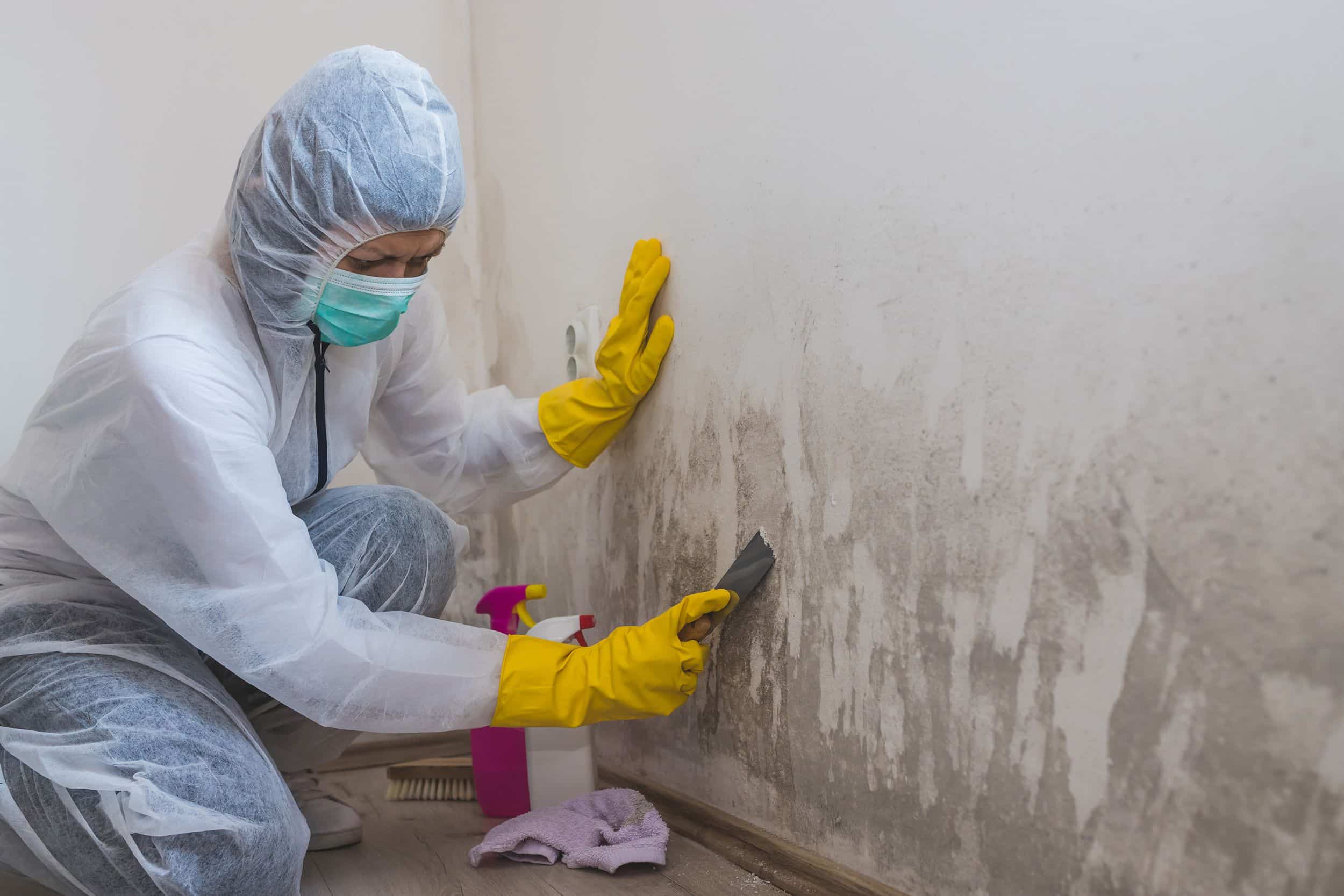
Identifying Key Differences Between Mold Removal and Remediation Processes
When dealing with mold issues, it is essential to distinguish between mold removal and mold remediation. While the two terms are often used interchangeably, they refer to different processes with specific objectives. Understanding these differences can help you make informed decisions about addressing mold in your property.
What is Mold Removal?
Mold removal refers to the process of eliminating visible mold from surfaces. The focus is on cleaning up the affected areas to restore them to a mold-free condition. However, this process does not address the underlying causes of mold growth, which means that without further action, the problem may return.
- Cleaning visible mold: Removing surface-level contamination using specialized tools and cleaning agents.
- Disinfecting surfaces: Applying biocides or antifungal solutions to sanitize affected areas.
- Physical removal: Scraping, scrubbing, or cutting out materials that are heavily contaminated with mold (e.g., drywall or carpeting).
Limitations of this process include the lack of focus on addressing sources like moisture levels or structural problems that allow mold to thrive.
What is Mold Remediation?
Mold remediation goes a step further by identifying and tackling the root causes of mold growth. This comprehensive approach aims not only at removing visible contamination but also at preventing future outbreaks by addressing environmental factors.
- Identifying areas affected by moisture or water damage.
- Conducting air quality tests where necessary.
- Isolating affected areas to prevent spores from spreading during cleanup.
- Using plastic sheeting and negative air pressure systems as containment measures.
- Identifying sources of excessive moisture (e.g., leaks, condensation) and addressing them.
- Ensuring proper ventilation in high-humidity areas.
- Disposing of porous items like insulation, carpets, and drywall that cannot be salvaged.
- Cleaning non-porous surfaces with professional-grade solutions.
- Utilizing industrial-grade fans or dehumidifiers to dry out spaces effectively.
- Repairing structural damage caused by extensive mold infestations.
By focusing on not just visible symptoms but also underlying causes, remediation provides a long-lasting solution for managing indoor air quality and preventing health risks associated with recurring infestations.
| Aspect | Mold Removal | Mold Remediation |
| Focus | Eliminating visible contamination | Addressing root causes & preventing regrowth |
| Scope | Surface-level cleaning | Comprehensive solution |
| Preventative Measures | Typically absent | Includes moisture control measures |
| Long-Term Effectiveness | Limited | High |
Why Understanding These Differences Matters
Recognizing the distinction between these two processes ensures you choose an approach appropriate for your situation. If you’re dealing with minor surface-level issues caused by short-term water exposure, mold removal might suffice temporarily. However, for persistent or widespread problems rooted in structural vulnerabilities or environmental factors like humidity, remediation is essential for achieving lasting results.
For homeowners struggling with recurrent infestations or larger-scale contamination affecting indoor air quality, seeking professional services can ensure safety and effectiveness while minimizing risks associated with improper handling of toxic substances like black mold (Stachybotrys chartarum).
Identifying Key Differences Between Mold Removal and Remediation Processes
When dealing with mold issues, it is crucial to understand the distinction between mold removal and mold remediation, as these terms are often used interchangeably but refer to different processes. Addressing a mold problem effectively requires recognizing these differences and employing the right approach.
What Is Mold Removal?
Mold removal primarily focuses on eliminating visible mold from a surface or area. This process involves cleaning, scrubbing, or otherwise eradicating mold growth that is easily seen. While it is an essential step in managing mold problems, it does not address the underlying cause of the infestation.
- Surface-Level Cleaning: Targets observable mold on walls, ceilings, furniture, or other household surfaces.
- Use of Cleaning Agents: Often relies on chemical-based cleaners to eliminate spores temporarily.
- Temporary Solution: Addresses symptoms rather than resolving the root cause of repeated mold growth.
What Is Mold Remediation?
Mold remediation goes beyond removal by addressing both visible contamination and the underlying conditions that lead to fungal growth. This comprehensive process aims to restore indoor environments to safe levels by identifying moisture sources or other contributing factors.
- Identifying areas affected by mold.
- Determining moisture sources contributing to growth (e.g., leaks or humidity).
- Sealing off affected areas to prevent cross-contamination.
- Using negative air pressure systems when required.
- Removing porous materials like drywall, insulation, or carpeting if heavily infested.
- Utilizing HEPA filters to capture airborne spores during remediation efforts.
- Repairing leaks or improving ventilation systems to control moisture levels.
- Treating cleaned surfaces with antimicrobial solutions.
- Implementing preventive measures such as dehumidifiers or vapor barriers.
Comparison Table: Mold Removal vs Mold Remediation
| Aspect | Mold Removal | Mold Remediation |
| Primary Focus | Visible contamination cleanup | Root cause resolution + visible cleanup |
| Longevity | Temporary solution | Long-term prevention |
| Scope | Surface-level cleaning | Comprehensive restoration |
| Techniques Used | Cleaning agents | Inspection, containment, repair |
Why Understanding These Differences Matters
Failing to differentiate between removal and remediation can result in recurring mold issues over time, as merely removing visible contamination does not address the environmental factors that encourage growth (e.g., high humidity). Proper identification of your needs – whether it’s a quick surface fix or full-scale mitigation – will help ensure your home remains free of harmful molds while maintaining a healthier indoor environment for its occupants.
For significant infestations or persistent problems related to moisture or air quality management, consulting qualified professionals ensures efficient handling through well-executed remediation techniques rather than relying solely on superficial cleaning methods associated with basic removal tasks.
Why Professional Help is Essential for Safe and Effective Mold Removal
Mold removal may seem like a straightforward task, but it often requires specialized knowledge, tools, and techniques to ensure the issue is handled effectively and safely. Attempting to address mold problems without professional assistance can lead to incomplete removal, health risks, and recurring issues. Below are key reasons why professional help is critical for safe and effective mold removal.
Expertise in Mold Identification
Professionals are trained to identify different types of mold species that may be present in your home or business. This is crucial because:
– Certain molds, such as Stachybotrys chartarum (often referred to as “black mold”), pose significant health risks.
– Different mold species require specific removal techniques.
– Proper identification ensures appropriate cleaning agents and methods are used.
Professionals also perform thorough inspections using advanced tools like thermal imaging and moisture meters to detect hidden mold growth.
Containment Measures to Prevent Spreading
Mold spores are microscopic and can easily become airborne during the removal process if not managed correctly. Certified technicians implement industry-standard containment practices, such as:
– Using plastic sheeting or barriers to isolate affected areas.
– Setting up negative air pressure systems with HEPA filters to prevent spore dispersion into other parts of the property.
These measures significantly reduce the risk of cross-contamination.
Comprehensive Remediation Process
While DIY efforts often focus on cleaning visible mold, professionals go beyond surface treatment by addressing underlying causes of growth, such as moisture problems or poor ventilation. The remediation process typically includes:
1. Assessment – Identifying the extent of contamination through visual inspections and testing if necessary.
2. Containment – Isolating the area to prevent spore spread during remediation activities.
3. Removal – Using specialized equipment like HEPA vacuums and antimicrobial solutions for safe mold elimination from surfaces, furnishings, or structural materials when required.
4. Dehumidification – Reducing indoor humidity levels with commercial-grade dehumidifiers to inhibit future growth. 5. Repairs – Fixing leaks or water-damaged surfaces contributing to mold proliferation.
This thorough approach ensures long-term results instead of short-term fixes.
Health Considerations for Occupants
Exposure to mold spores can trigger various health issues ranging from mild allergic reactions (e.g., sneezing, skin irritation) to severe respiratory problems in individuals with asthma or compromised immune systems. Professionals use personal protective equipment (PPE), such as respirators and gloves, while employing safe handling procedures for hazardous materials during remediation.
Cost Efficiency Over Time
Though hiring professionals may seem more expensive upfront compared to DIY solutions:
– They eliminate the problem effectively on their first attempt, reducing the likelihood of recurring infestations. – Proper remediation prevents costly structural damage caused by unchecked mold growth over time. – Professionals rectify root causes like leaking pipes or poor ventilation during remediation efforts—helping you avoid repeated expenses on cleanup alone.
| DIY Mold Removal Risks | Professional Mold Removal Advantages |
| Incomplete removal | Thorough identification & treatment |
| Risk of spreading spores | Containment & prevention practices |
| Exposure without proper PPE | Safe procedures & protective gear |
| Likely recurrence | Long-term solutions addressing causes |
Compliance with Industry Standards
Licensed professionals follow protocols established by organizations such as the Institute of Inspection Cleaning and Restoration Certification (IICRC) or Environmental Protection Agency (EPA). This ensures adherence to best practices for both safety and effectiveness in resolving mold-related issues.
By hiring experts who understand these guidelines fully, you can have confidence that your property will be restored efficiently while minimizing risks related to health hazards or incomplete cleanup efforts.
- Mold Remediation Deltona FL – Costs, Expectations, and Key Pricing Factors
- Understanding Mold Remediation Deltona FL and Its Importance for Your Home
- Comprehensive Guide to Professional Mold Removal Deltona FL: Effective Mold Remediation Explained
- Understanding Mold Removal Deltona FL: The Difference Between Removal and Remediation Explained
- 5 Warning Signs That You Need a Mold Inspection Deltona FL Residents Should Know
- Effective Mold Remediation Deltona FL: Five Signs Mold is Hiding in Your Walls and How to Address It